
TECHNICAL GUIDE · 2026-11-19
SMC electrical enclosures: separating water ingress from condensation
- Verify SMC material properties separately from protection of the assembled enclosure.
- External ingress and internal condensation require different investigations and operating records.
- Include gaskets, cable entries and later machining in the configuration to be verified.
Component and application
The target component is the SMC body and cover of an outdoor electrical enclosure. The key question is whether water found after rain comes from a material defect, an assembly path or condensation. Examine the gasket around the door, cable entries, latches and mounting surfaces separately.
Material and verification scope
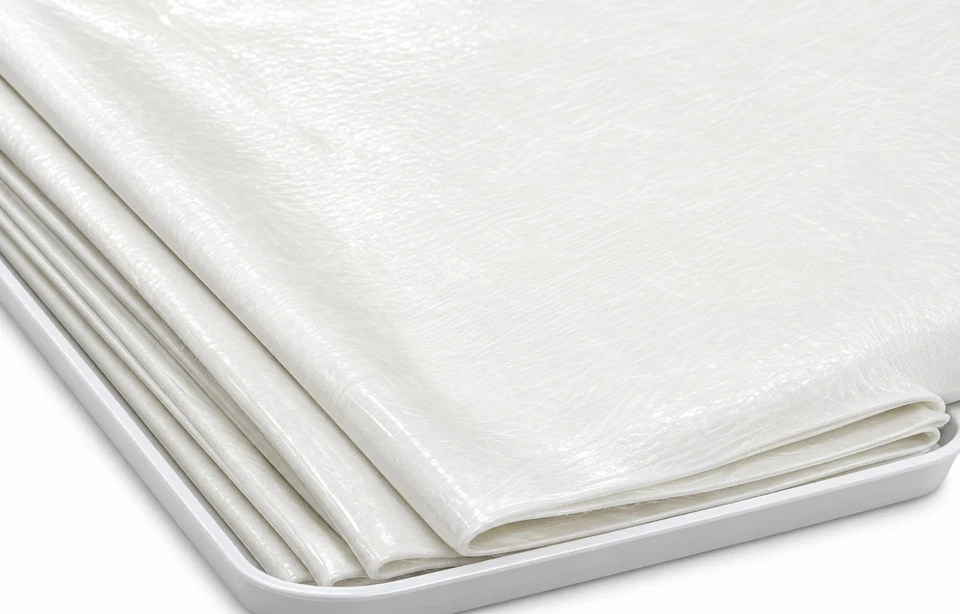
Sheet Molding Compound is a sheet material supplied before molding. HUAMEI general SMC uses an unsaturated polyester resin and glass-fiber reinforcement; distinguish this from PU-resin PUSMC, PU/glass-fiber CSFCM and carbon fiber prepreg.
The public scope of IEC 62208:2023 addresses empty enclosures before electrical devices are installed. Assembled switchgear needs a separate review under the applicable product standard. Strength or water-absorption data from a material coupon do not establish an enclosure IP rating. The IP code classifies protection against access to hazardous parts and ingress of solid objects and water.
Separate the two moisture paths
External water: seals and entries / Internal moisture: cool surfaces
1 Check gasket contact and cover fit. 2 Record cable diameter, entry accessories and closures of unused openings. 3 Investigate droplets on internal surfaces for both ingress and condensation associated with changes in temperature and humidity.
Variable checklist
| Variable | What to check | Required evidence | Effect on the component |
|---|---|---|---|
| Molding and tolerances | Cover warpage, sealing-face flatness and dimensional variation | Drawing, molding history, dimensional inspection | Uneven gasket contact |
| Fastening | Latch position, sequence and compression | Assembly instructions and tool records | Local gaps or excessive compression |
| Cable entries | Cable diameter, accessory combination and added openings | Entry specifications and machining drawing | Possible assembly leakage path |
| Environment | Sunlight, temperature changes, internal heat and humidity | Operating, shutdown and environmental records | Potential condensation on cooling surfaces |
| Inspection | Final configuration and installation orientation | Test plan, configuration list and photographs | Results wrongly applied to another configuration |
Investigating a moisture problem
Record the position, time, weather and operating state before wiping away water. Examine marks around seals, entry paths and the distribution of droplets without treating appearance alone as proof of the cause. Use separate investigation plans for external ingress and temperature/humidity changes.
HENSEL distinguishes pressure-compensation and ventilation accessories for condensation management. These examples are not universal solutions for SMC enclosures. Before adding drainage, ventilation or holes, review manufacturer instructions, required protection and the final assembly; do not drill arbitrary openings.
Information for a technical inquiry
Prepare body and cover drawings, installation orientation, cable and entry lists, ambient conditions, internal heat, target protection and expected quantity. Separate SMC raw-material sample review from verification of the finished enclosure.
Sources and limitations
Technical explanation · written and reviewed 2026-11-19. Only the public scopes of the IEC documents were reviewed; paid detailed test procedures are not reproduced. The checklist is a design-review proposal, not HUAMEI IP certification, suitability approval or a service-life guarantee. Manufacturer references do not imply a partnership or supply relationship with HUAMEI.