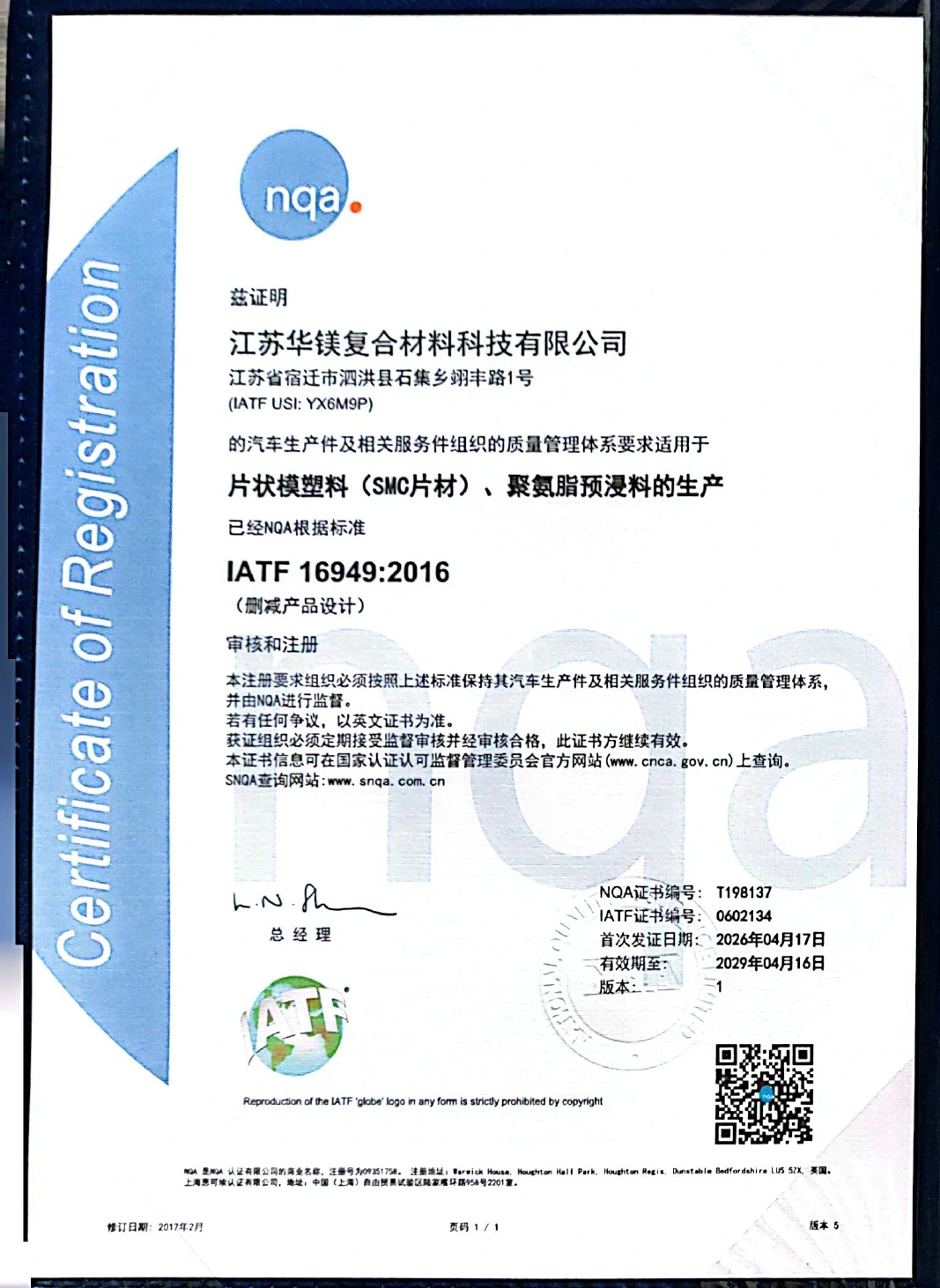
 Enlarge certificate
IATF 16949:2016
Automotive quality management · Chinese
NQA T198137 · IATF 0602134
Validity stated on certificate: 2026-04-17 — 2029-04-16

MATERIAL DATA / QUALITY SYSTEMS
Product performance, test methods and certificates,
all in one place.
| Material property | Brochure value | Test standard / method |
|---|---|---|
| Density | 1.90 g/cm³ | GB/T 1033.1-2008 |
| Water absorption | 0.03% | GB/T 1462, method 1 |
| Tensile strength | 364 MPa | GB/T 1447-2005 |
| Tensile modulus | 21.30 GPa | GB/T 1447-2005 |
| Flexural strength | 572 MPa | GB/T 1449-2005 |
| Flexural modulus | 20.50 GPa | GB/T 1449-2005 |
| Heat deflection temperature | 160.80 °C | GB/T 1634.2-2004 |
| Dielectric constant | 4.80 | GB/T 1409-2006 |
| Flame behavior | V0 (as stated in brochure) | UL 94 vertical burning test |
| Restricted substances | Compliant (as stated in brochure) | GB/T 30512-2014 |
| In-plane shear strength | 161 MPa | GB/T 3355-2014 |
| Notched impact strength | 109 kJ/m² | GB/T 1451 |
| Poisson’s ratio | 0.240 | GB/T 1040.2-2022 |
| Insulation resistance | >1,000 MΩ | GB/T 31838.4-2019 |
Standards use the editions cited in the brochure. Test methods and management-system certification are distinct. A UL 94 test rating is not UL product certification.
On brochure p.9, thermal conductivity 0.04 has no stated unit and the unit for voltage resistance 1.72 is unclear. In-plane shear modulus 60.70 GPa also requires confirmation against the original test report. These three values are not established design or selection inputs.
Read values, units and test methods as an HTML table.
02 / COMPARISONCompare the specimen data from brochure p.7.
Values describe the specimens listed in the brochure. Where specimen thickness, fiber direction, conditioning, test temperature, loading conditions or report numbers are not stated, the original test report is required. A method number alone does not establish all test conditions. Heat deflection temperature is not a continuous service temperature; curing time is not the complete production cycle.
Open each scan to check its number, scope and dates.
Enlarge certificate NQA T198137 · IATF 0602134
Validity stated on certificate: 2026-04-17 — 2029-04-16
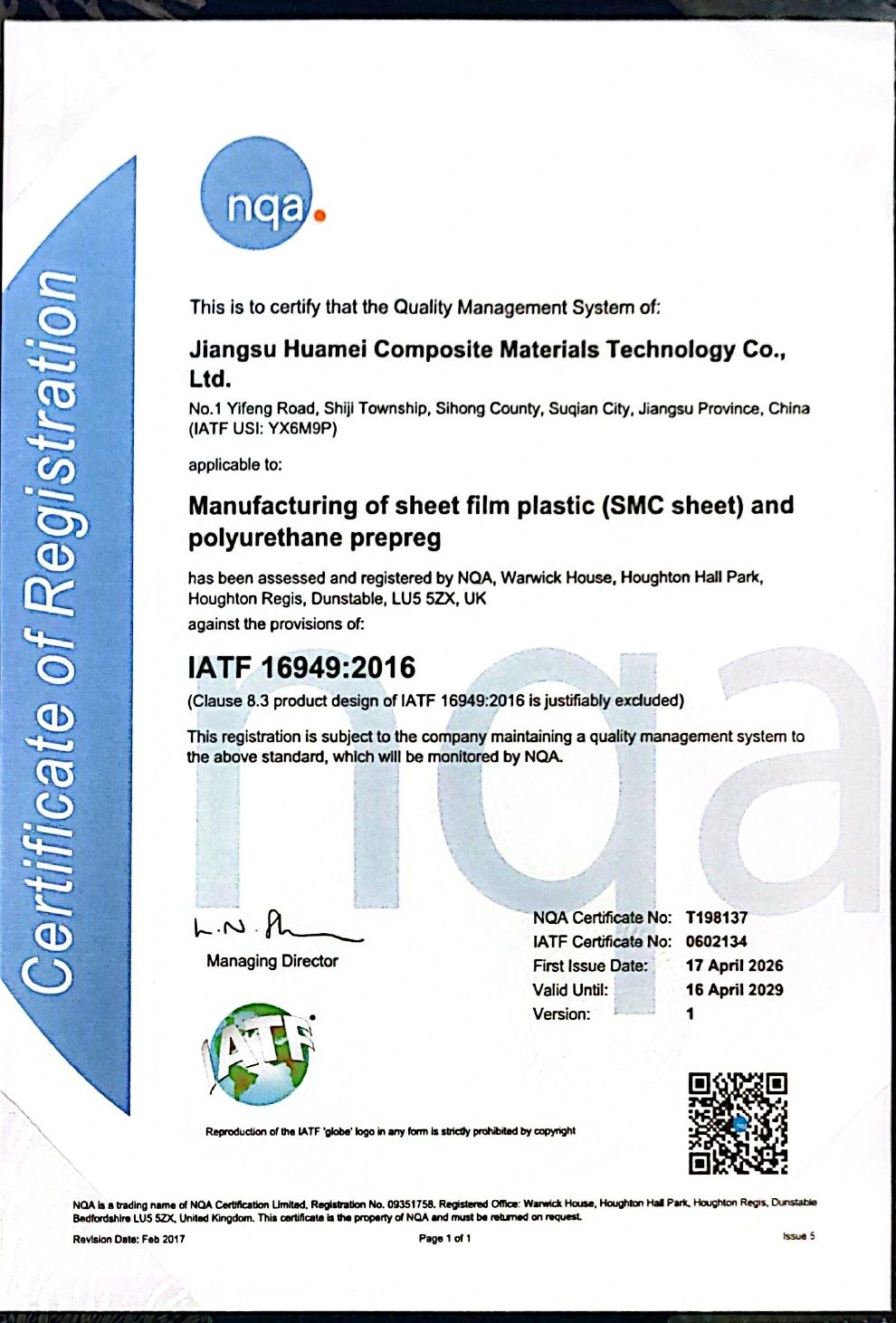 Enlarge certificate
NQA T198137 · IATF 0602134
Validity stated on certificate: 2026-04-17 — 2029-04-16
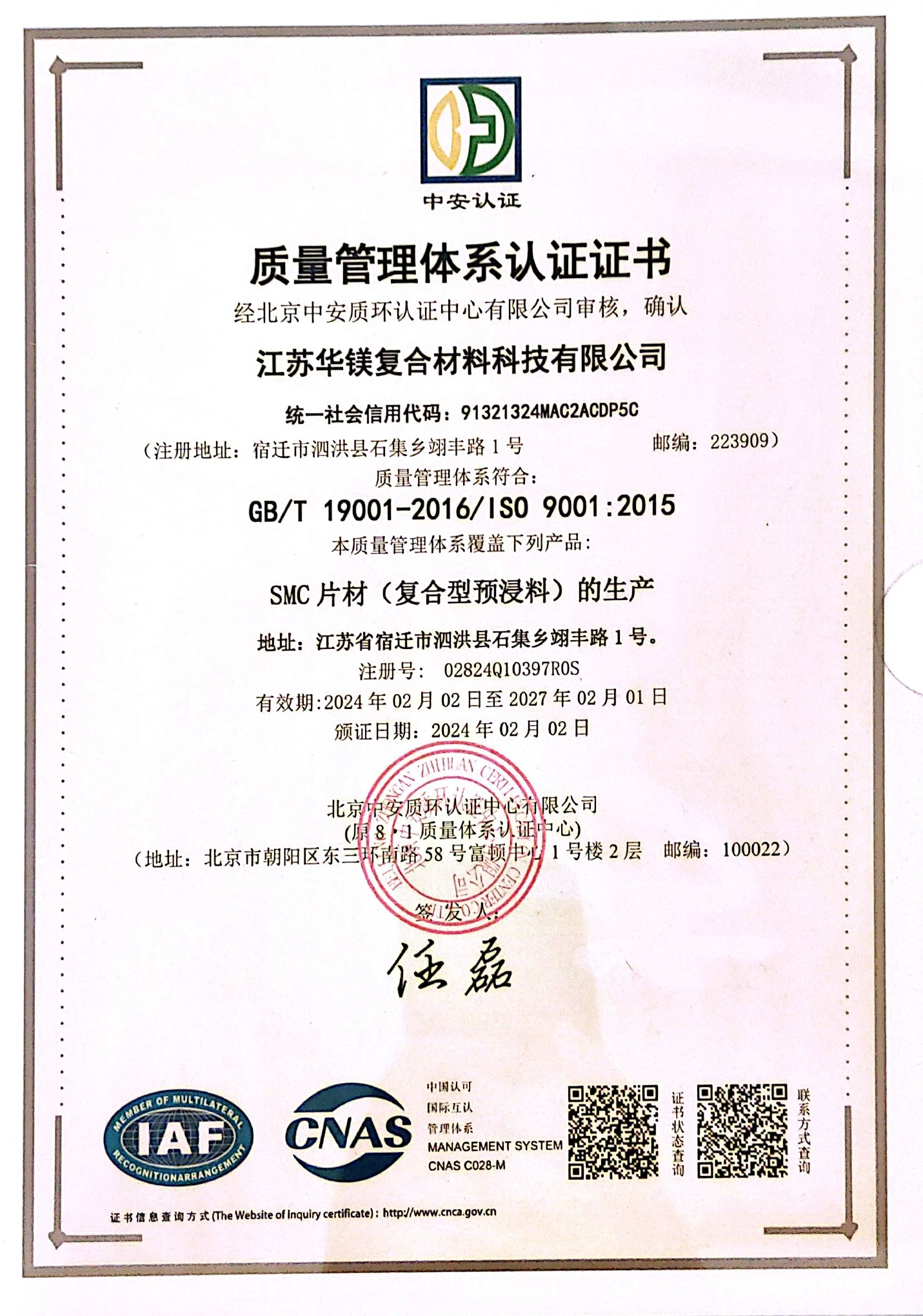 Enlarge certificate
02824Q10397R0S
Validity stated on certificate: 2024-02-02 — 2027-02-01
 Enlarge certificate
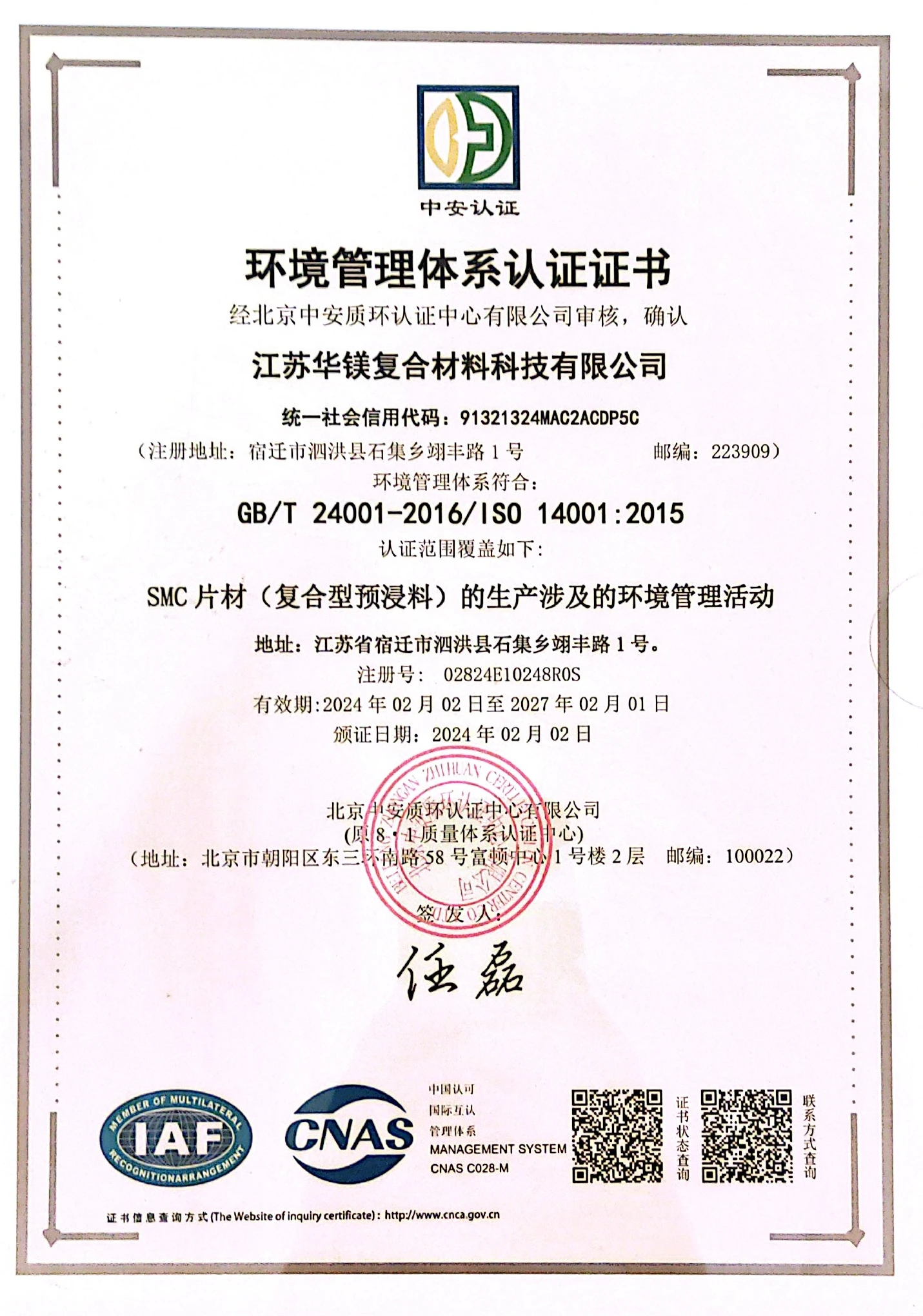
02824E10248R0S
Validity stated on certificate: 2024-02-02 — 2027-02-01
 Enlarge certificate
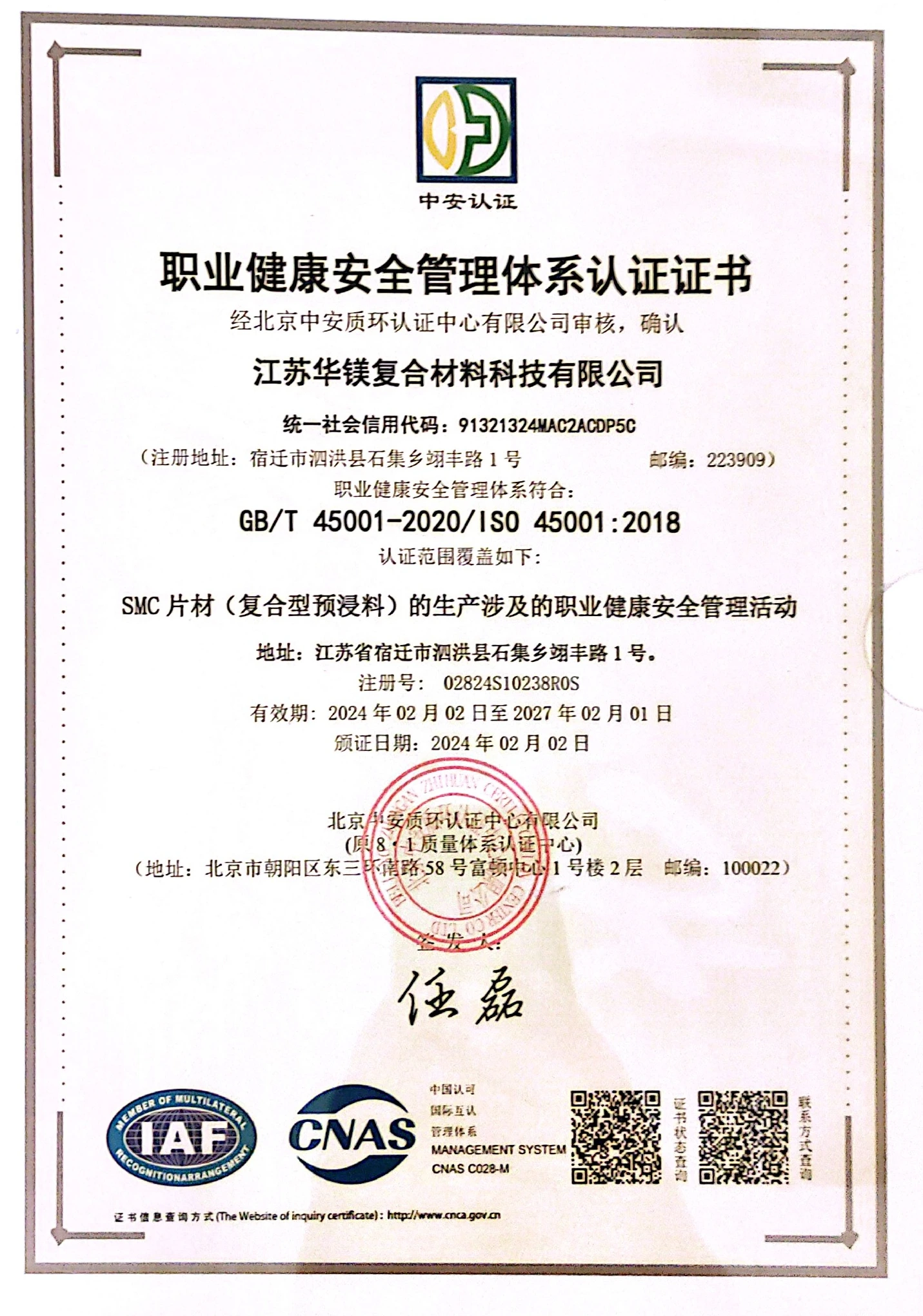
02824S10238R0S
Validity stated on certificate: 2024-02-02 — 2027-02-01
 Enlarge certificate
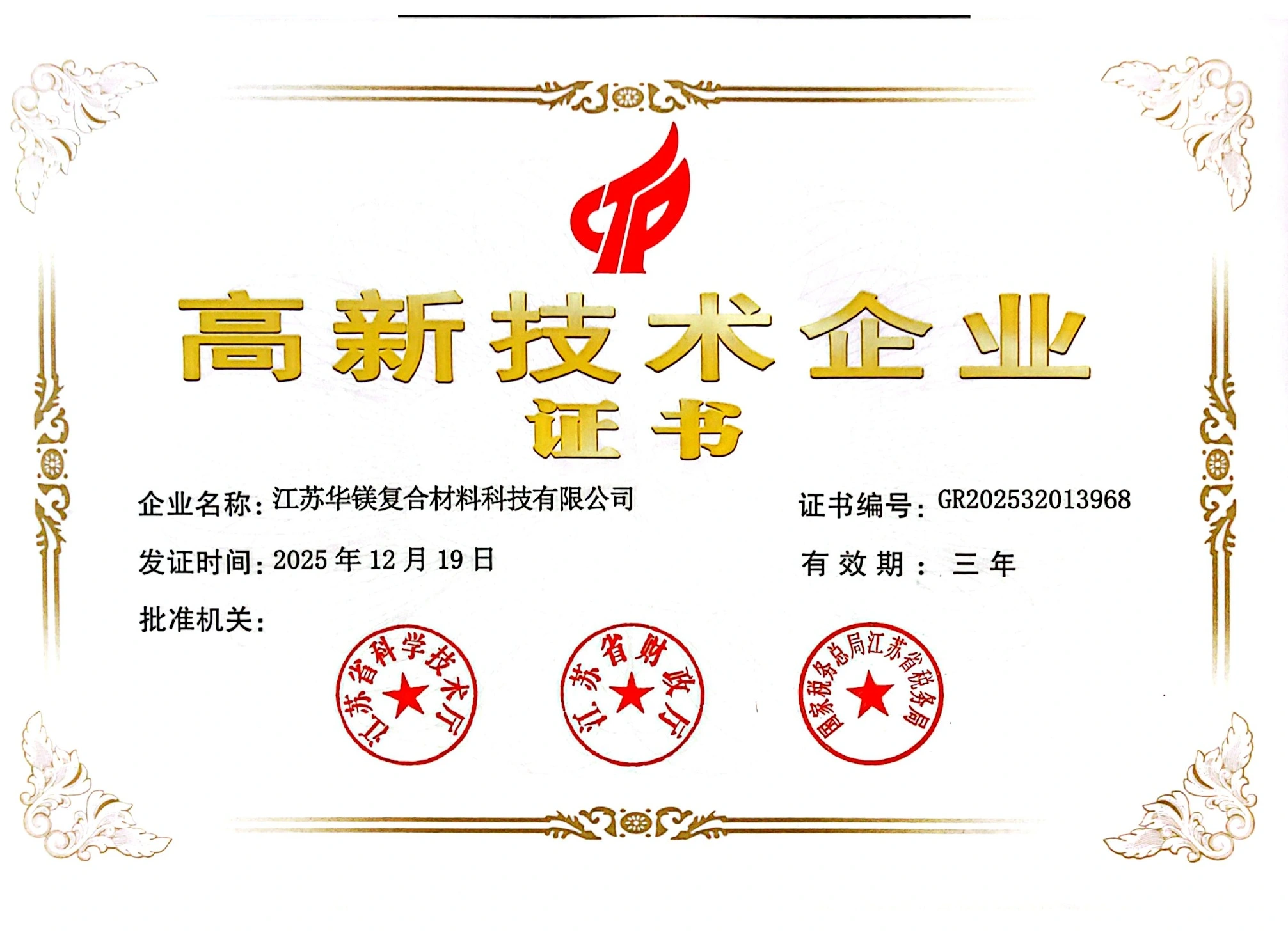
GR202532013968
Issued: 2025-12-19 · Validity: 3 years
ISO scope: production of SMC sheets (composite prepreg) and the associated management activities. IATF scope: manufacturing of SMC sheet and polyurethane prepreg; product design is excluded. Company credentials and management-system certifications are distinct from product-performance certification. Dates are transcribed from the supplied documents, not a live certification-status check.
Download all original certificatesExplore material characteristics and processing routes to choose a product for your component.
Select reinforcement and lay-up for the loads and impacts your component will face.
Sheets are cut, placed in a mould and formed with heat and pressure.
See the CSFCM9060 specimen’s UL 94 V-0 rating in the test data below.
Consider outdoor exposure and contamination when choosing material and surface specifications.
Compare grades against the strength, dimensions and mouldability you need.
Review odour and VOC test items for the intended interior environment.
Consider heat transfer through panels and joints in refrigerated and insulated components.
Explore composite configurations for refrigerated-vehicle walls and lining panels.
PU CARBON FIBER / SAMPLE DATA
Read separately from the glass fiber product data.
| Test | Literature specimen result | Method listed in the source |
|---|---|---|
| Tensile strength | 538 MPa | GB/T 33613-2017 |
| Tensile modulus | 43.3 GPa | GB/T 33613-2017 |
| Flexural strength | 688 MPa | The method printed for this row is unclear; confirm the original test report |
| Flexural modulus | 39.6 GPa | GB/T 1449-2005 |
| Interlaminar shear strength | 87.2 MPa | ISO 14130:1997 |
| Glass transition temperature Tg | 106 °C | ISO 11357-2:1999 · DSC |
CSFCM9060 / ENVIRONMENT
Temperature, humidity and salt-spray tests are distinguished.
Swipe horizontally to see the full table.
| Test item | Brochure test conditions | Result stated in brochure |
|---|---|---|
| High temperature & humidity | 85 ± 3 °C / 82–88% RH / 1,000 h | Requirements met for 11 items |
| Thermal shock | −40–85 °C / 500 cycles / 1,000 h | Requirements met for 11 items |
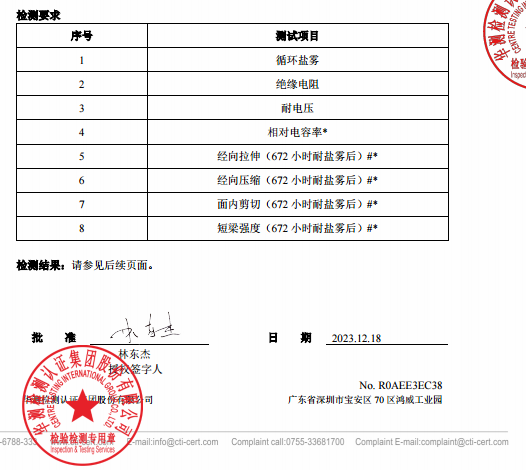
| Salt spray | GB/T 2423.18 / 672 h | Requirements met for 7 items |
R&D / ANALYSIS & TESTING
Integrated design-to-manufacturing support and concurrent development to optimize product design.
Brochure p.23 compares the original and improved upper mold models at the same cooling time and cooling-water temperature.
| Comparison item | Original upper mold model | Improved upper mold model |
|---|---|---|
| Cooling time | 25 s | 25 s |
| Cooling water temperature | 25 °C | 25 °C |
| Maximum product surface temperature | 82.14 °C | 75.48 °C |
| Average product surface temperature | 62 °C | 52.5 °C |
82.14 · 75.48 °C
62 · 52.5 °C
Source: brochure p.23. Both models use 25 s cooling and 25 °C water. Temperature differences are calculated by subtraction from the table; they are not measured test results or a reduction in cooling time. Celsius differences are not presented as percentage reductions.
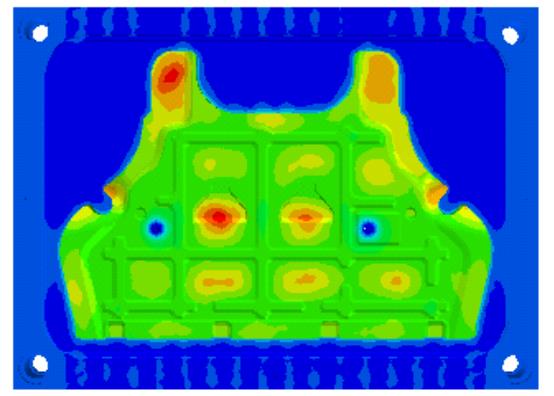
Cooling 25 s · water 25 °C
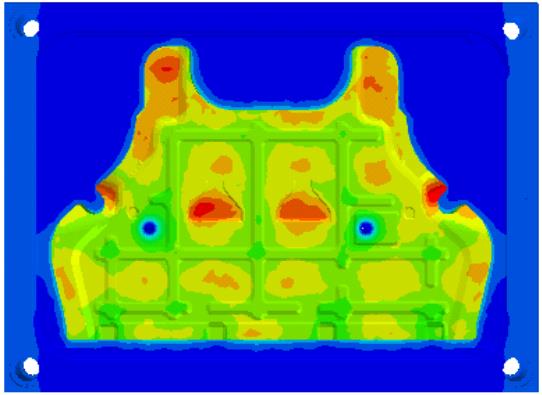
Cooling 25 s · water 25 °C
Original brochure images · recorded values and analysis colors preserved
EXPERIMENTAL EQUIPMENT / 10
Equipment presented individually from brochure p.24.
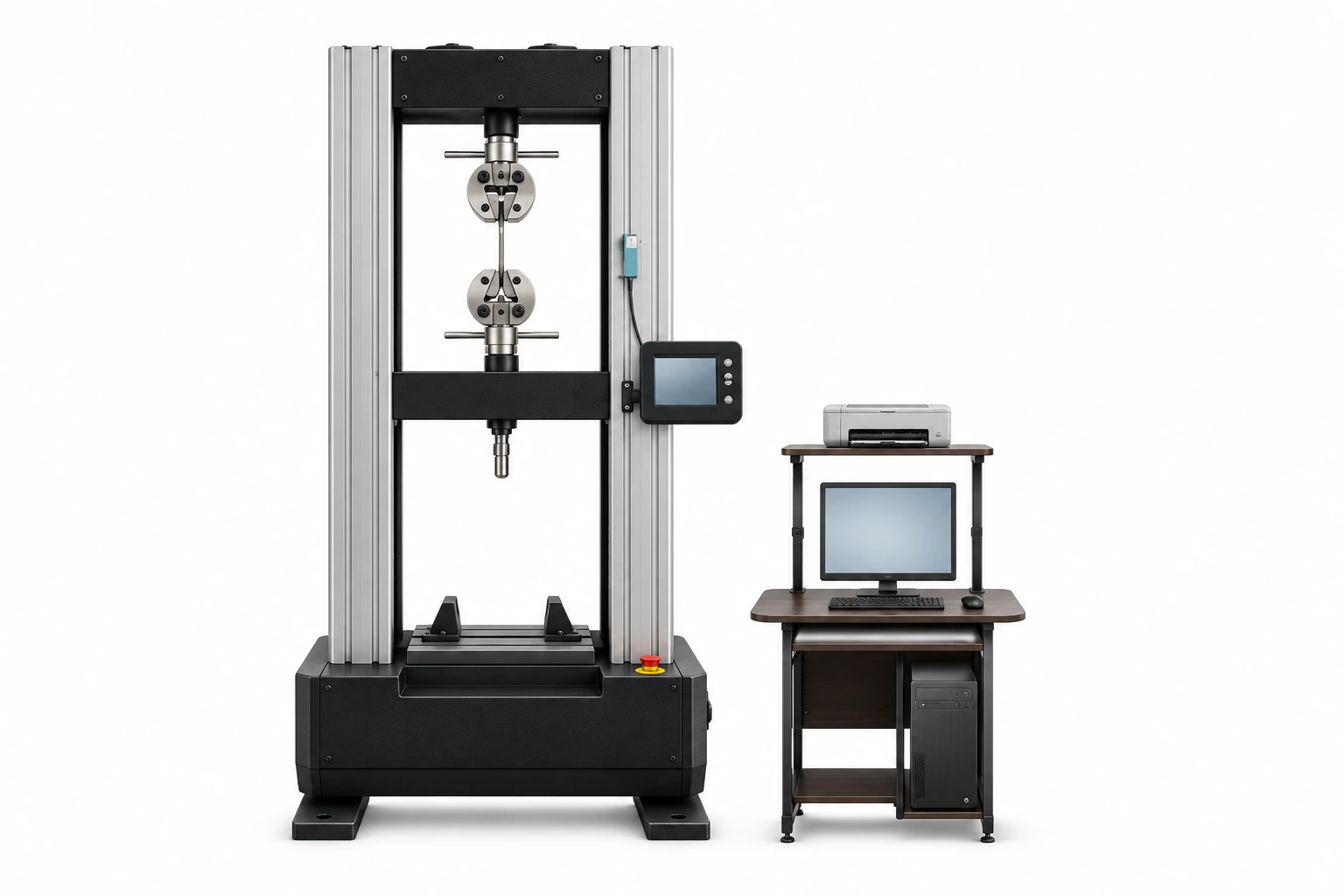
Mechanical properties including tension and bending
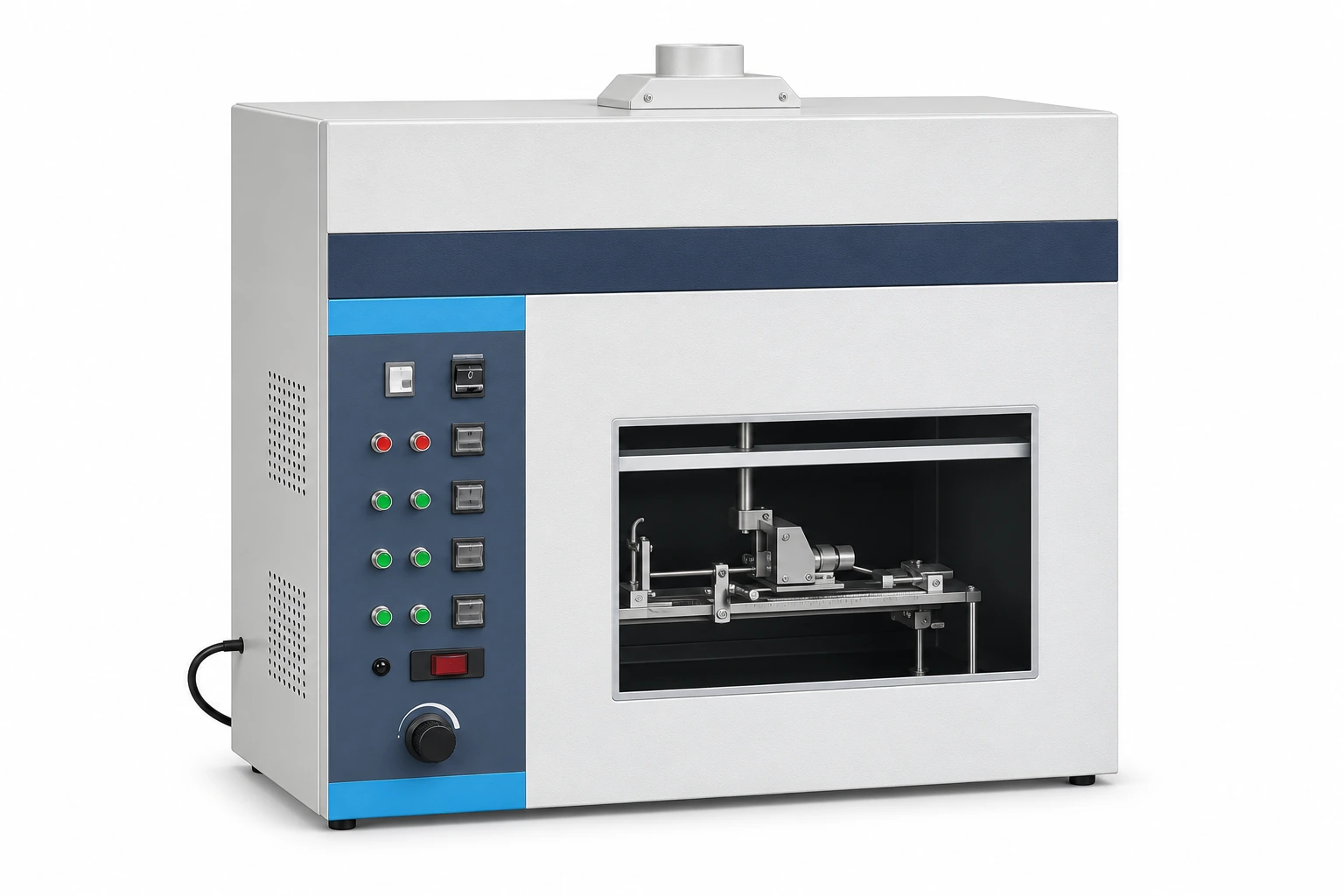
Specimen burning behavior
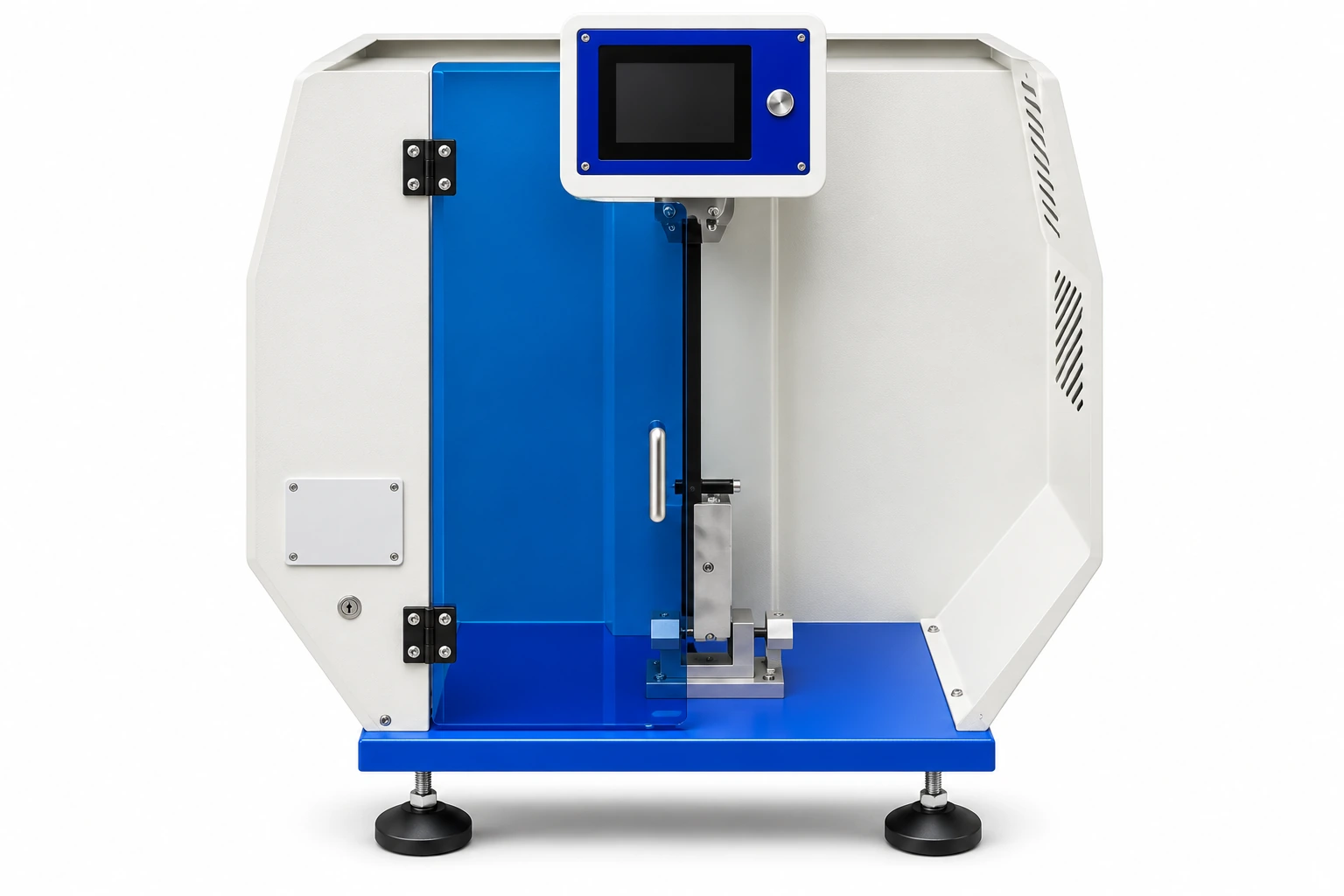
Specimen impact properties
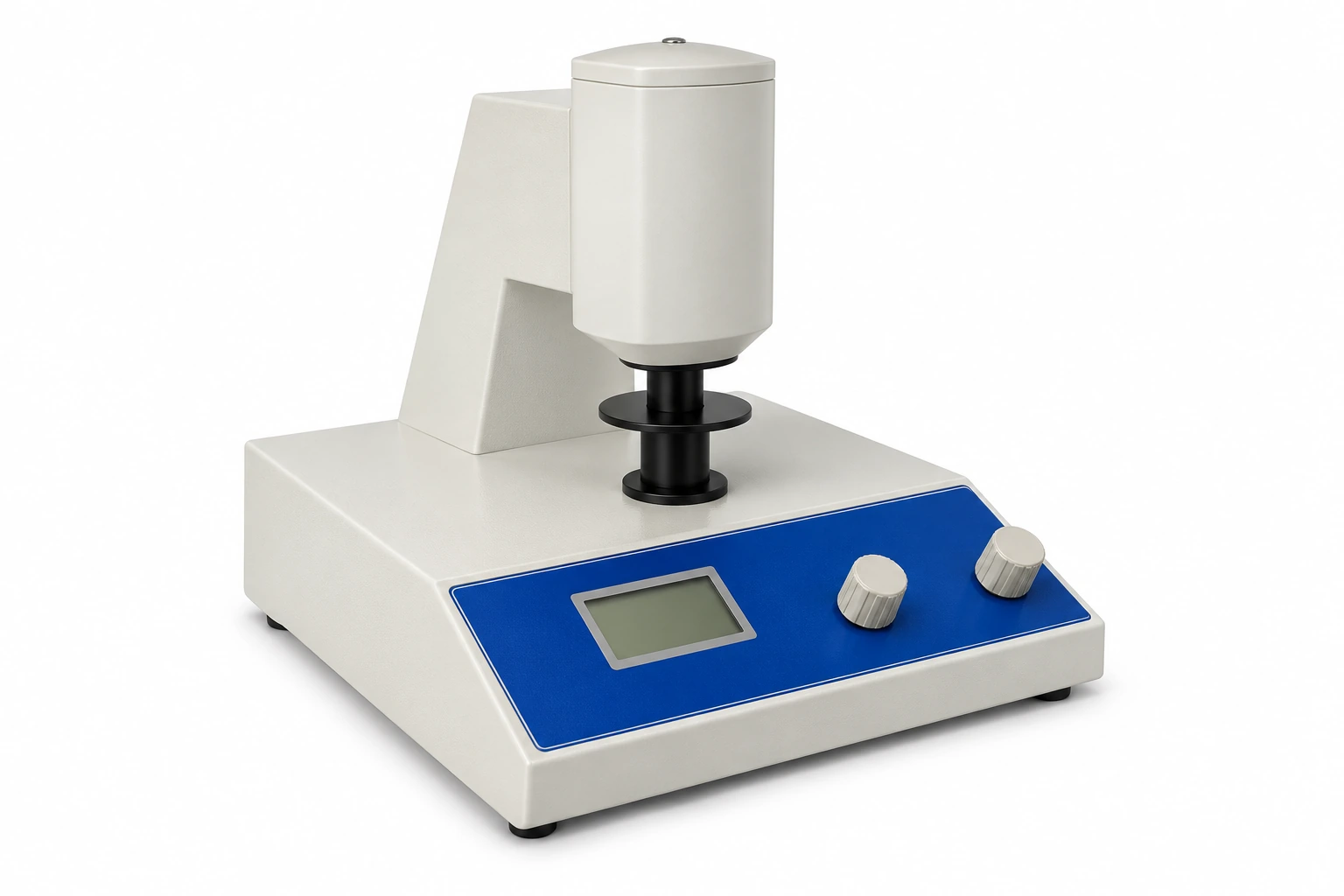
Surface whiteness
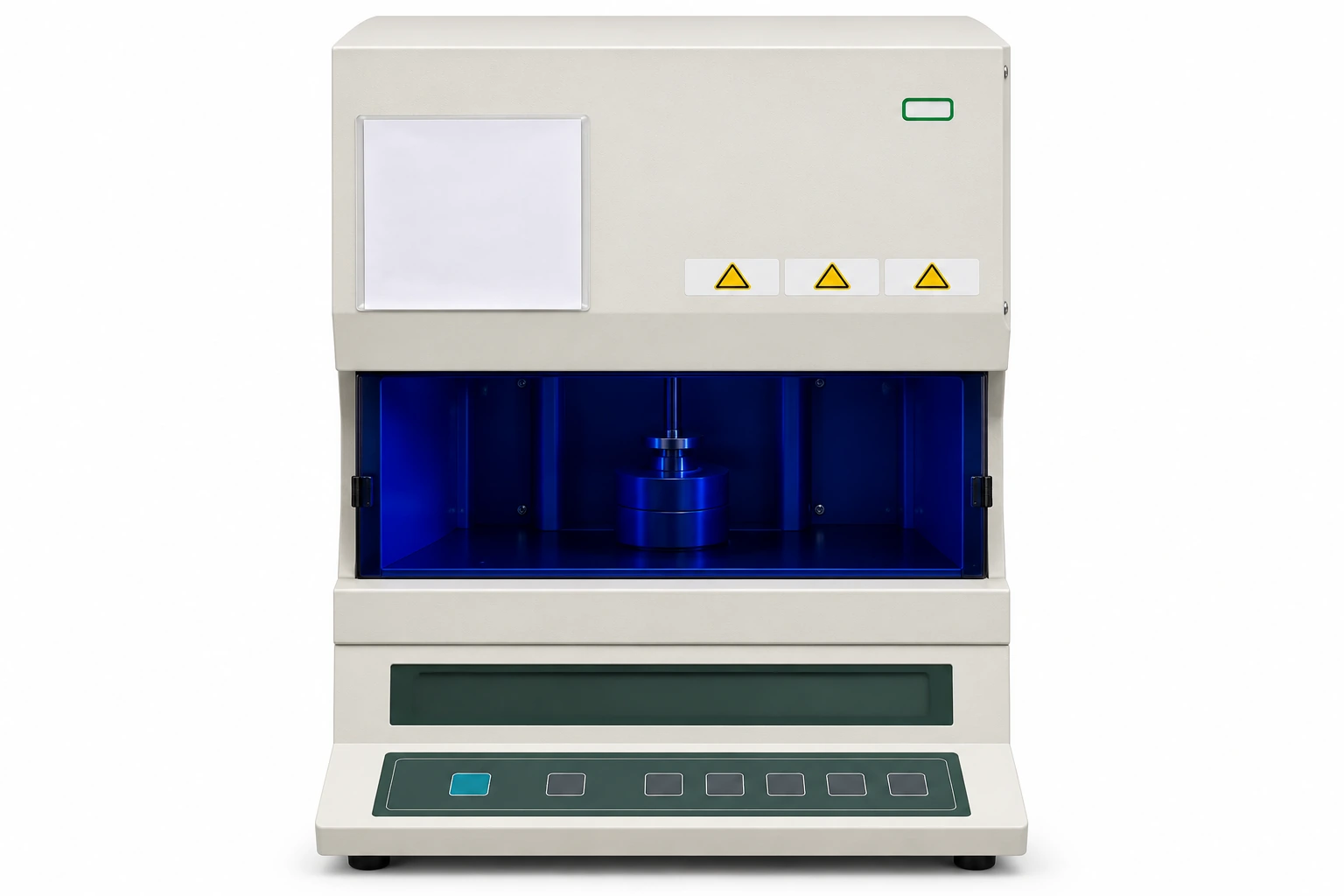
Resin cure behavior
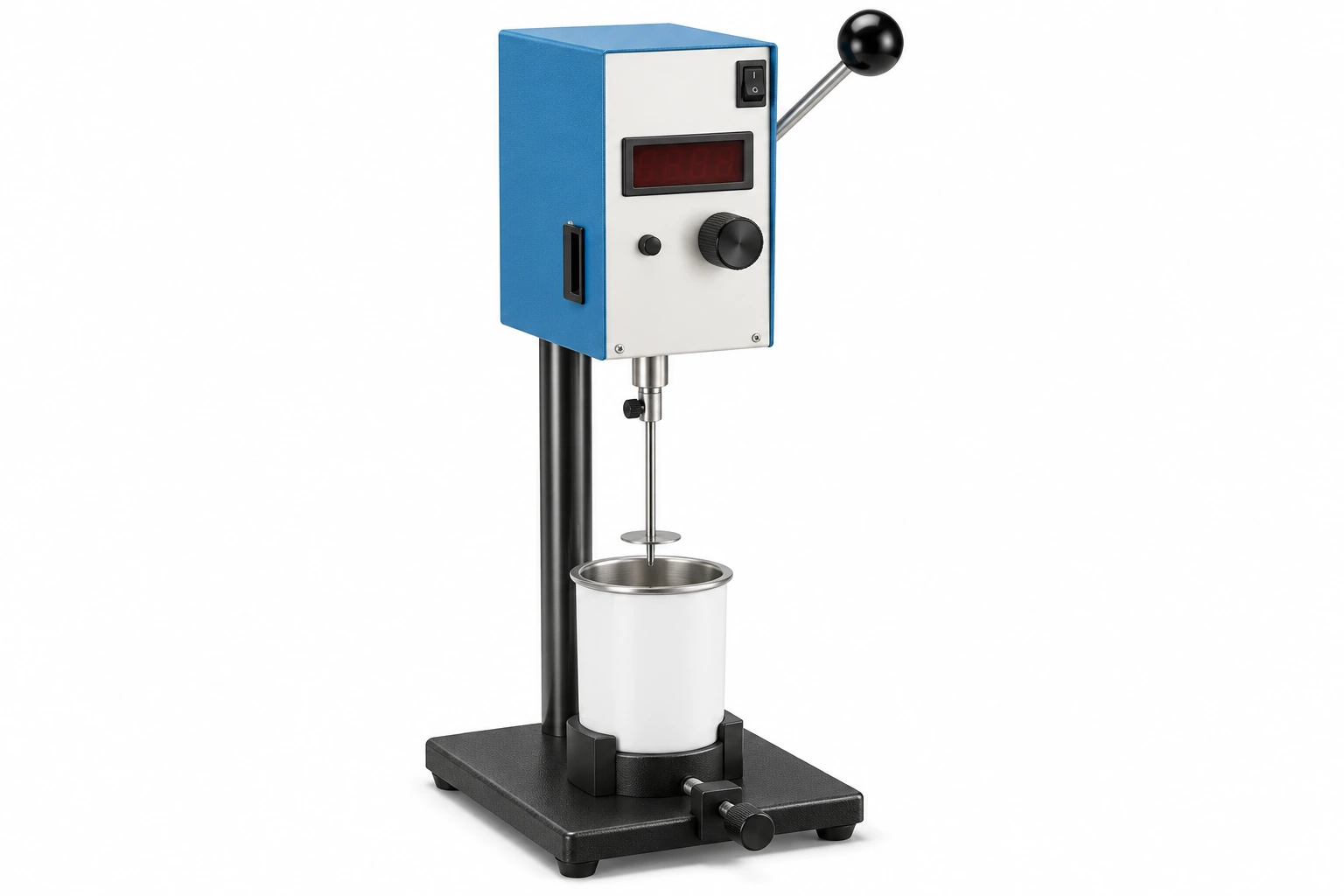
Resin viscosity
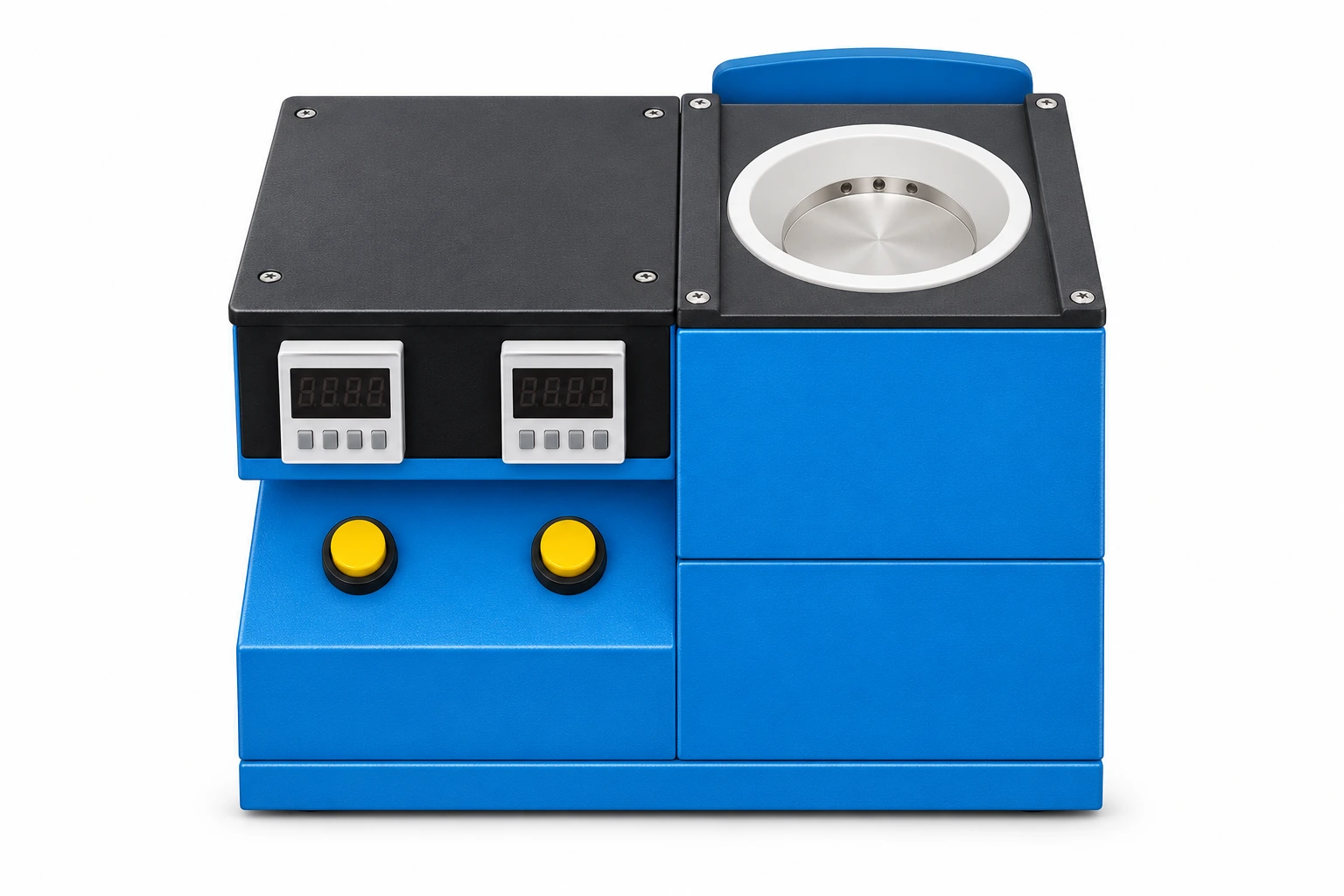
Time to resin gelation
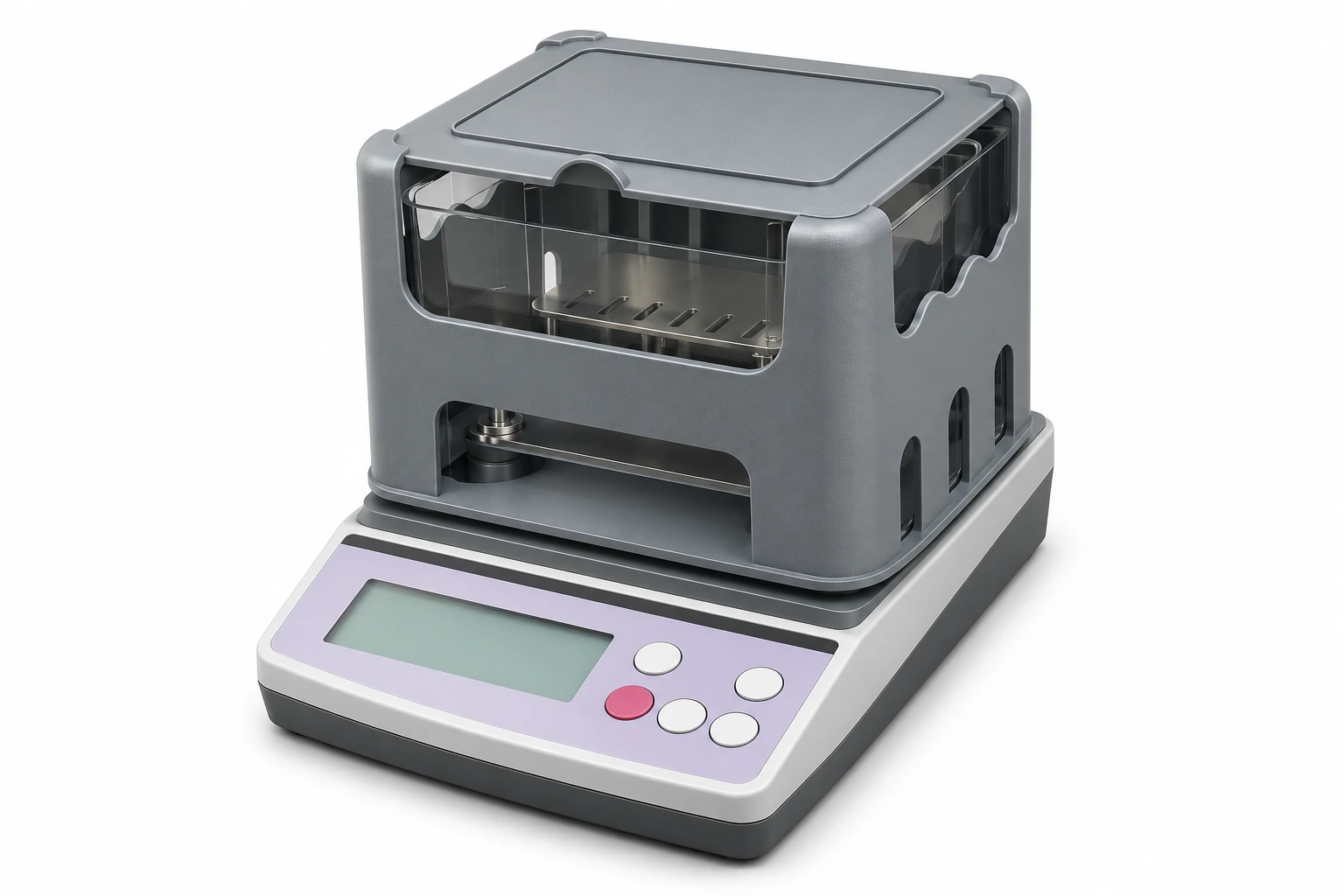
Material density
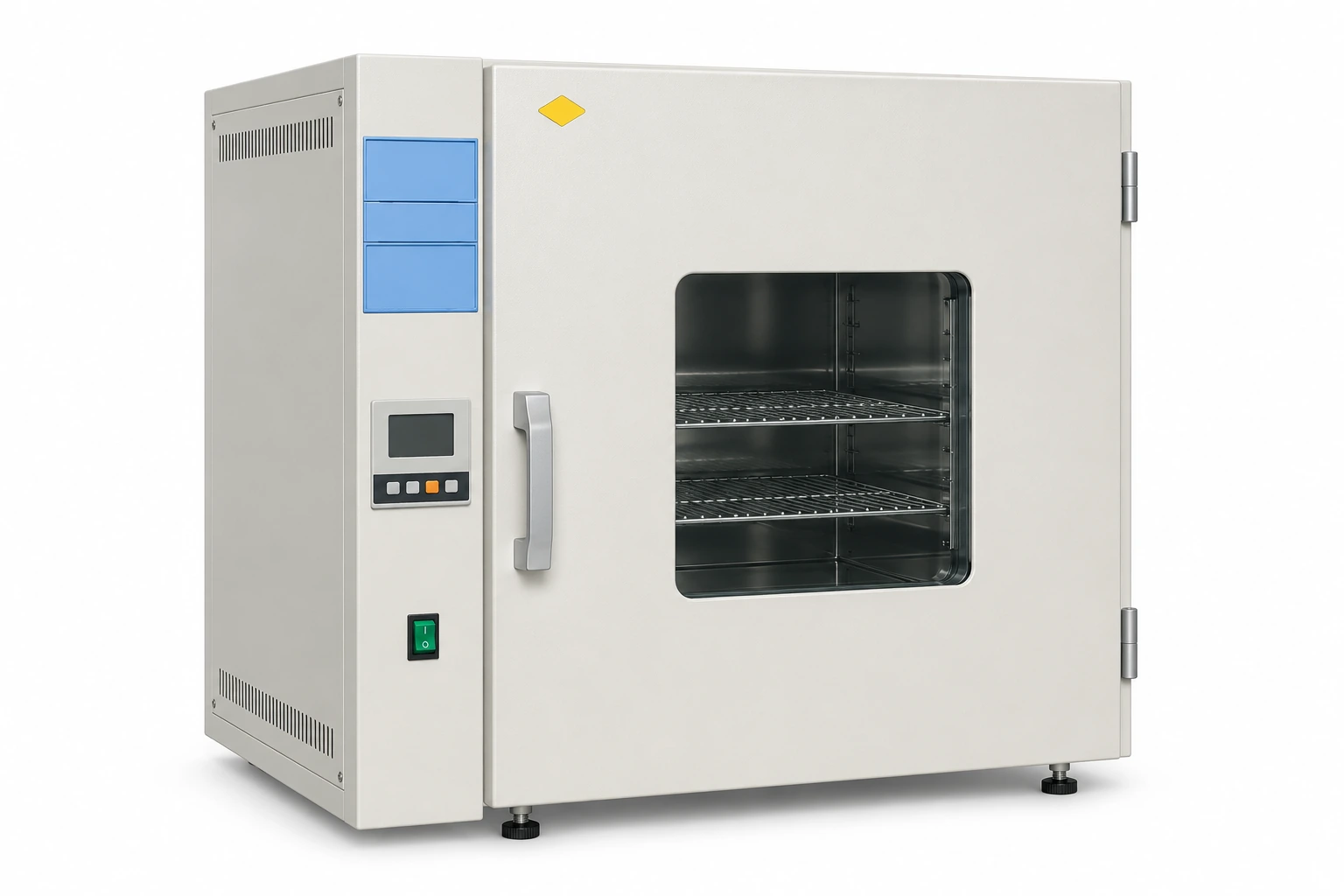
Specimen drying and temperature control
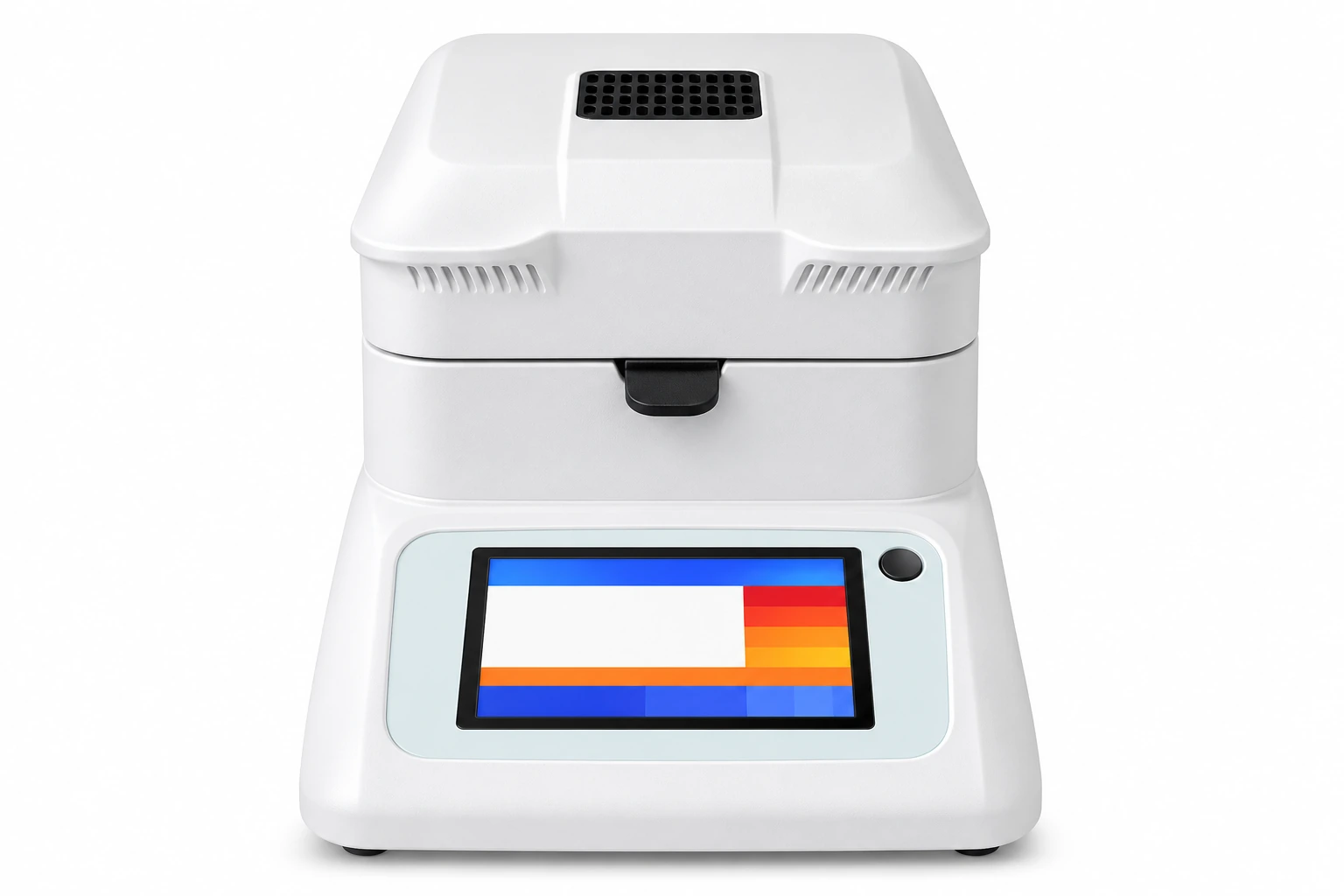
Material moisture content
PRODUCT DATA / BROCHURE P.7
Compare the specimen data from brochure p.7.
Swipe horizontally to view every test item.
| Specimen | Thickness (mm) | Fabric / layup | Tensile strength (MPa) | Tensile modulus (GPa) | Flexural strength (MPa) | Flexural modulus (GPa) | Impact (kJ/m²) | In-plane shear strength (MPa) | In-plane shear modulus (GPa) |
|---|---|---|---|---|---|---|---|---|---|
| Epoxy glass fiber | 1 | 18# / 0/90/0/0/90/0 | 519.53 | 23.35 | 502 | 19.5 | 271 | 75.2 | 3.5 |
| PU glass fiber | 1 | 18# / 0/90/0/0/90/0 | 538.1 | 27.82 | 606 | 23.2 | 273.5 | 78.6 | 3.7 |
| PU carbon fiber | 1 | 3K+UD / 3K/0/90/0/0/90/0+3K | 537.98 | 43.27 | 688 | 39.6 | 331 | 52.95 | 2.136 |
| PU glass fiber | 1 | 400 g / NA | 450.48 | 22.55 | 532 | 19.3 | 290 | 68.03 | 2.817 |
| CSFCM9060 glass fiber | 1 | CSFCM9060 × 2 | 364 | 21.3 | 572 | 20.5 | 109 | 161 | 60.70* |
MARINE PROJECT / CHEMICAL TESTS
Review verifiable excerpts from the marine project separately from management-system certificates.
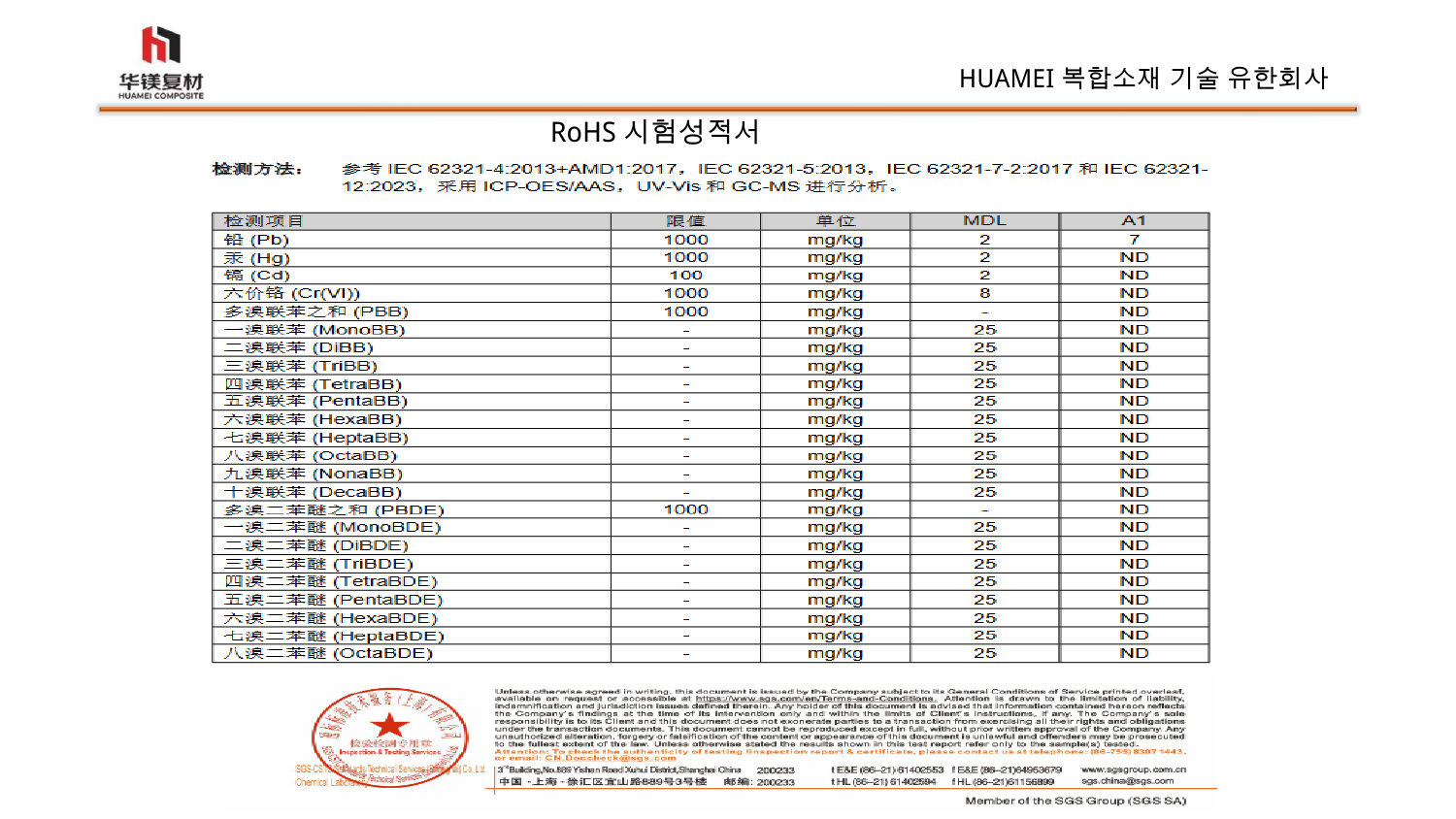
Lead (Pb) is listed at 7 mg/kg. Mercury, cadmium, hexavalent chromium, PBB and PBDE are recorded as ND in the excerpt.
Marine project p.16 · IEC 62321 series methods · mg/kg
| Substance | Excerpt result | Listed limit |
|---|---|---|
| Lead (Pb) | 7 | 1,000 |
| Mercury (Hg) | ND | 1,000 |
| Cadmium (Cd) | ND | 100 |
| Hexavalent chromium | ND | 1,000 |
| Total PBB | ND | 1,000 |
| Total PBDE | ND | 1,000 |
ND means below the test detection limit, not zero content. The excerpt does not fully show product identity, report number, date or the four phthalate results, so it does not establish RoHS compliance for every product.
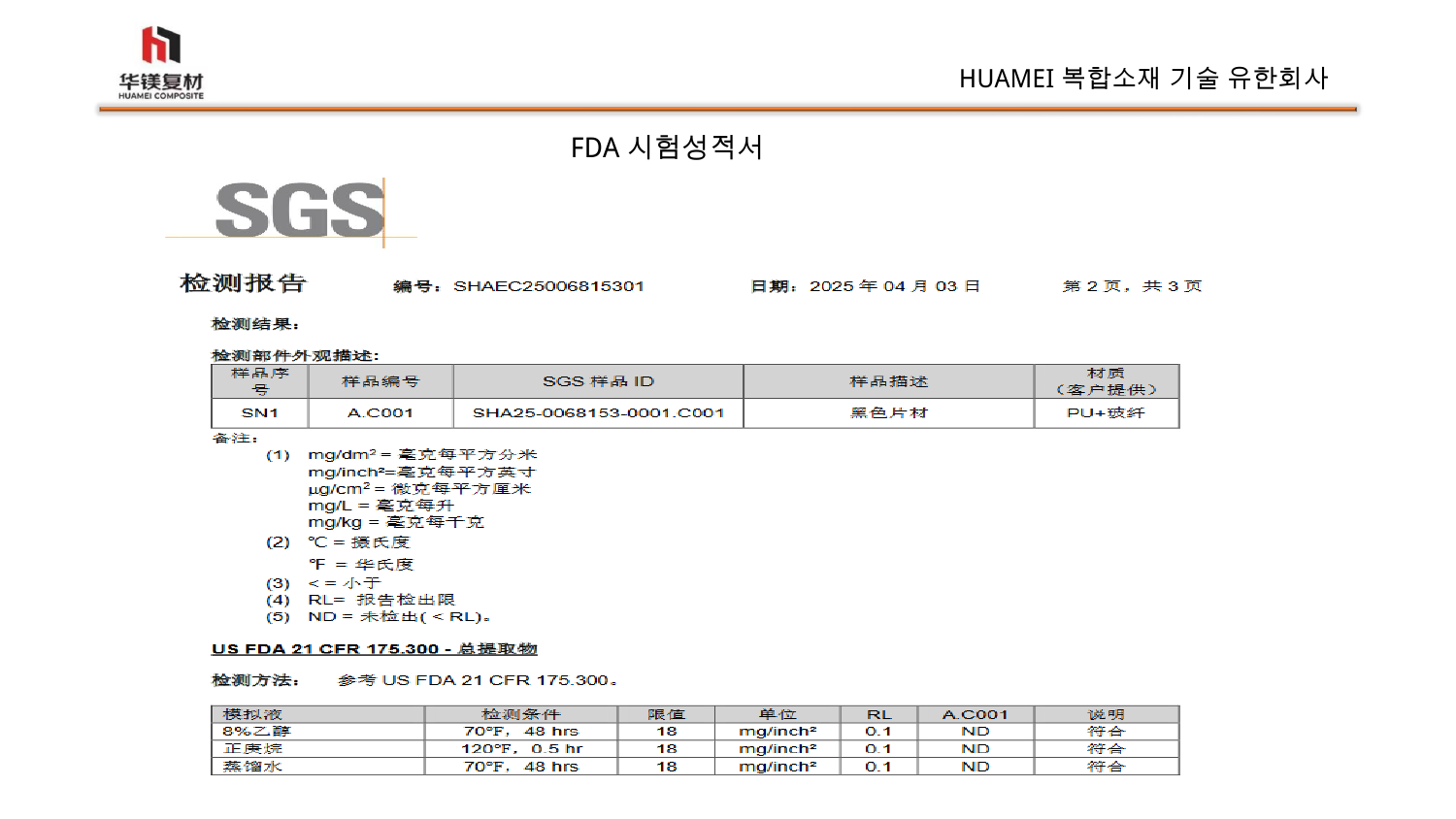
Report SHAEC25006815301 · 2025-04-03 · SGS · excerpt page 2/3
Sample A.C001 · black sheet · PU + glass fiber (client-supplied material description)
Presented as total-extractives testing under US FDA 21 CFR 175.300. Results for the conditions below are ND, with a compliant judgment recorded.
| Simulant | Test conditions | Result |
|---|---|---|
| 8% ethanol | 70°F · 48 h | ND |
| n-Heptane | 120°F · 0.5 h | ND |
| Distilled water | 70°F · 48 h | ND |
Report excerpt on marine project p.17. Listed limit: 18 mg/in²; reporting limit (RL): 0.1 mg/in². ND means below RL. These are results for a specific sample and conditions, not FDA product approval or suitability for every food, temperature or use.
MARINE PROJECT / STRUCTURAL ANALYSIS
Deformation and stress analysis of an approx. 800 L PU + glass-fiber development model. Distinguish this from specimen testing and sea trials.
See the relevant technical data for grade specifications and test conditions.
Ask us about products, quotes, samples or joint development projects.