
CARBON FIBER / PREPREG
Carbon fiber prepreg
Carbon fiber reinforcement pre-impregnated with polyurethane (PU) resin. Fiber architecture, lay-up and molding conditions are reviewed against component requirements.
 Composition
 Supply format
 Processing
 Applications
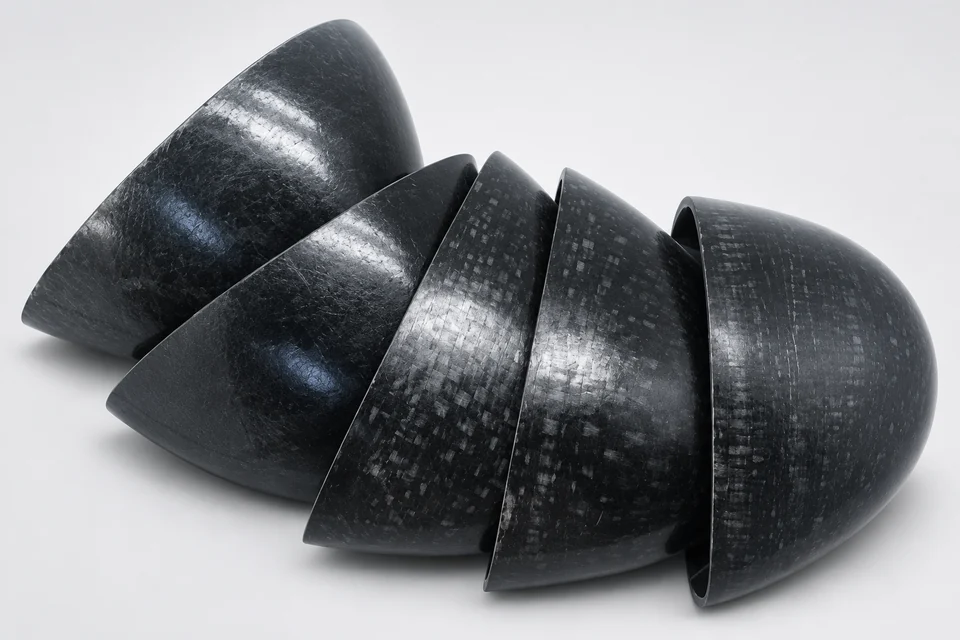
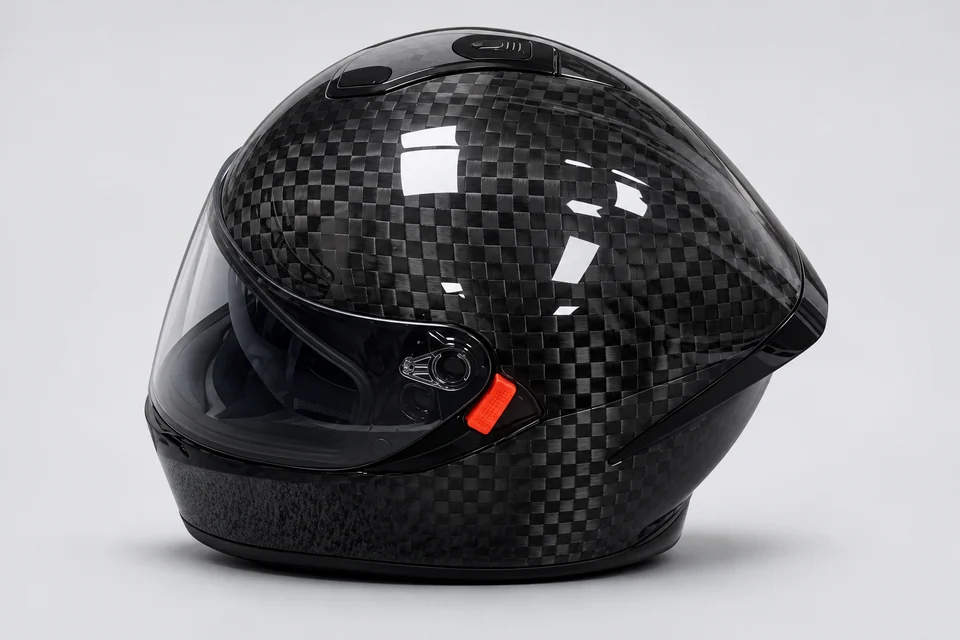
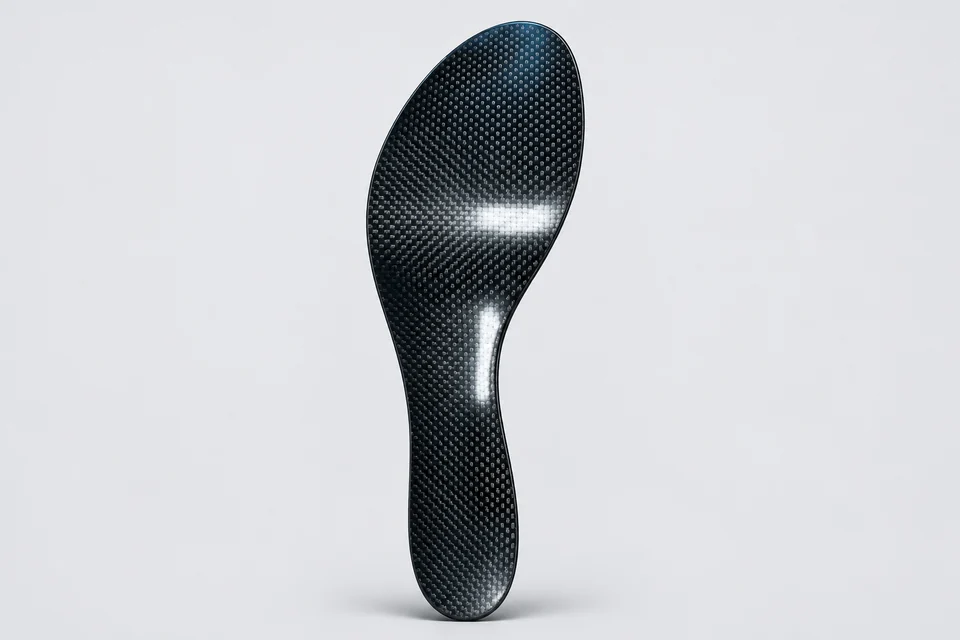
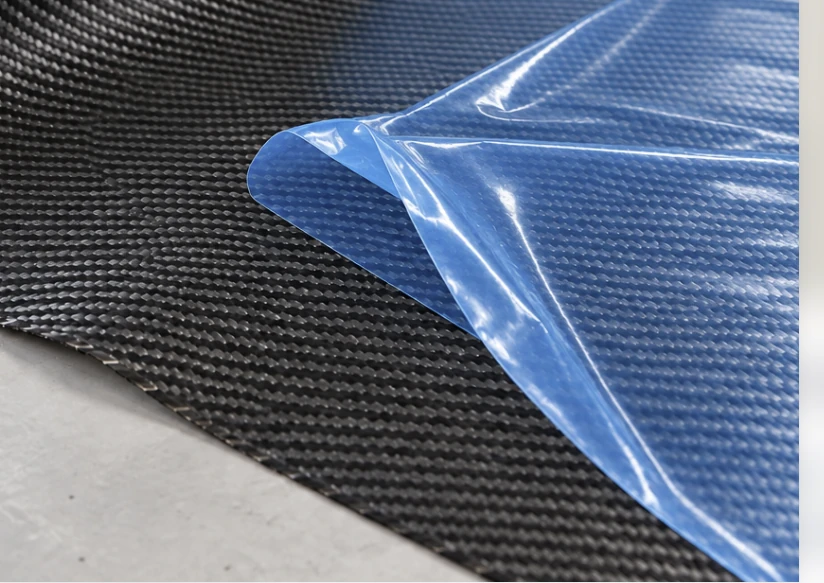
From material selection to part validation
Application images illustrate areas for evaluation. Confirm specifications and processing conditions in the product technical data.
Matrix and reinforcement
PU / CARBON FIBER
Material composition, illustrated
- 01
Resin matrix
Polyurethane (PU) identifies the resin system; carbon fiber identifies the reinforcement. Both terms can describe one prepreg.
- 02
Carbon reinforcement
The product literature describes woven, unidirectional and chopped fibers. Available formats, orientation and combinations must be confirmed for the selected grade.
- 03
Component performance
Evaluate strength, stiffness, impact and molding behavior together with fiber direction, resin, lay-up and geometry.
Material architecture and lay-up guidance
PU PREPREG / MATERIAL DESIGN
Carbon fiber prepreg
Explore material structure, layup and key properties.
Carbon fiber prepreg
Material structure
- 01Polyurethane resin matrix
- 02Woven reinforcement
- 03Unidirectional fiber reinforcement
- 04Chopped carbon fiber reinforcement
- 05Functional additives
Reinforcement structure
Carbon fiber prepreg
Layup
- 01Polyurethane resin matrix
- 02Woven reinforcement
- 03Unidirectional fiber reinforcement
- 04Chopped carbon fiber reinforcement
- 05Functional additives
Concept diagram of composition and reinforcement forms. Not every product has five independent layers; additives are incorporated in the resin formulation.
Component roles and reinforcement
- 01
Polyurethane resin matrix
The resin impregnates the carbon fibers and binds the reinforcement. It cures during forming to retain the material’s shape.
- 02
Woven reinforcement
Interlaced fibers provide reinforcement. Weave and ply orientation determine the structural design of the part.
- 03
Unidirectional fiber reinforcement
Carbon fibers aligned in one direction. Fiber orientation and layup are evaluated against the primary load direction.
- 04
Chopped carbon fiber reinforcement
A reinforcement form using short-cut carbon fibers, configured to suit part geometry and molding conditions.
- 05
Functional additives
Ingredients that give the resin system required functions. Type and content depend on product use and specifications.
Carbon fiber prepreg
Key properties
- 01Polyurethane resin matrix
- 02Woven reinforcement
- 03Unidirectional fiber reinforcement
- 04Chopped carbon fiber reinforcement
- 05Functional additives
Concept diagram of composition and reinforcement forms. Not every product has five independent layers; additives are incorporated in the resin formulation.
Three key material characteristics
High strength · high toughness
Combining carbon fiber reinforcement and polyurethane resin
Fiber type, content, orientation and layup are evaluated for part strength and toughness. Confirm actual performance in the product test documentation.
Fast curing
Connecting the resin system and forming process
Set curing behavior together with mold temperature, part thickness and production conditions. The brochure’s fast-curing characteristics vary by product and process.
Cost reduction · improved efficiency
Optimizing material use and manufacturing steps
Evaluate manufacturing efficiency by designing charge placement, cutting and forming together. Cost improvements depend on part design, yield and production scale.
From material composition to forming, expand manufacturing options for your part.
Carbon fiber prepreg supply specifications
These are selection and quotation checks, not published standard supply ranges.
- Material grade
- Resin system, reinforcement, fiber/resin ratio and process
- Dimensions & areal mass
- Width, thickness, mass per unit area and tolerances
- Packaging & batch
- Packaging, unit weight, batch identification and available documents
- Storage & use
- Storage temperature, shelf life, opening and temperature-conditioning requirements
Specimen performance data
Values are results for the specific specimens described in the literature, not universal supply guarantees. Confirm thickness, lay-up, conditioning, temperature and report identification against the applicable test records.
Tensile strength
538MPa
GB/T 33613-2017Interlaminar shear strength
87.2MPa
ISO 14130:1997Glass transition · Tg
106°C
DSC · ISO 11357-2:1999Molding and storage
- 01Cut & lay up
- 02Load the mold
- 03Heat, press & cure
- 04Demold & inspect
This is a process outline, not a universal temperature, pressure or cure cycle. Review the grade, press capability, mold heating, part thickness and target cycle, then validate through trial molding.
Storage requirements
Use the selected grade documentation for storage temperature, shelf life and conditions after opening. Do not assume that another resin system has the same storage requirements.
COMPONENT CATALOGUE
Components, shown with product imagery
Explore a broader range of industries
Eight sectors per product, with candidate parts and engineering checks. This is a material-selection and development guide, not a HUAMEI delivery record or blanket approval for every grade.
This guide draws on carbon-composite industries. External epoxy and pultruded-material examples do not establish the performance or process of HUAMEI PU prepreg. Aerospace and protective equipment require separate finished-product evaluation and approvals.
Automotive & commercial vehicles
Example partsBody panels, seat shells, lightweight brackets
- Engineering checks
- Impact, weathering, paint and joints
Robotics & automation
Example partsRobot arm parts, end-effector plates, precision transfer jigs
- Engineering checks
- Stiffness, cyclic load, precision and fastening
Drones & unmanned systems
Example partsDrone frames, arms, body shells, payload mounting plates
- Engineering checks
- Vibration, fatigue, impact, joints and RF effects
Aerospace component development
Example partsInterior panel demonstrators, prototype covers, lightweight structural coupons
- Engineering checks
- Fire, smoke, toxicity, traceability and approval
Sports & protective equipment
Example partsFootwear plates, helmet shells, bicycle parts, protective toe caps
- Engineering checks
- Impact, flexure, fatigue and finished-product safety
Industrial equipment & lightweight tooling
Example partsIndustrial rollers, vision-system arms, inspection jigs, machining supports
- Engineering checks
- Dimensions, wear, heat, vibration and chemicals
Marine, aquaculture & vessel parts
Example partsVessel covers, deck parts, water-sports reinforcement
- Engineering checks
- Salt water, sealing, buoyancy design, fatigue and UV
Transport & protective cases
Example partsEquipment protection cases, transport boxes, portable-device shells
- Engineering checks
- Impact, drops, sealing, hinges and joints
External examples use different grades, reinforcements or processes. Confirm the supplied grade against drawings, service conditions, trial molding and component tests.
Industry referencesDiscuss your drawings, quantity and service conditionsExisting brochure component examples
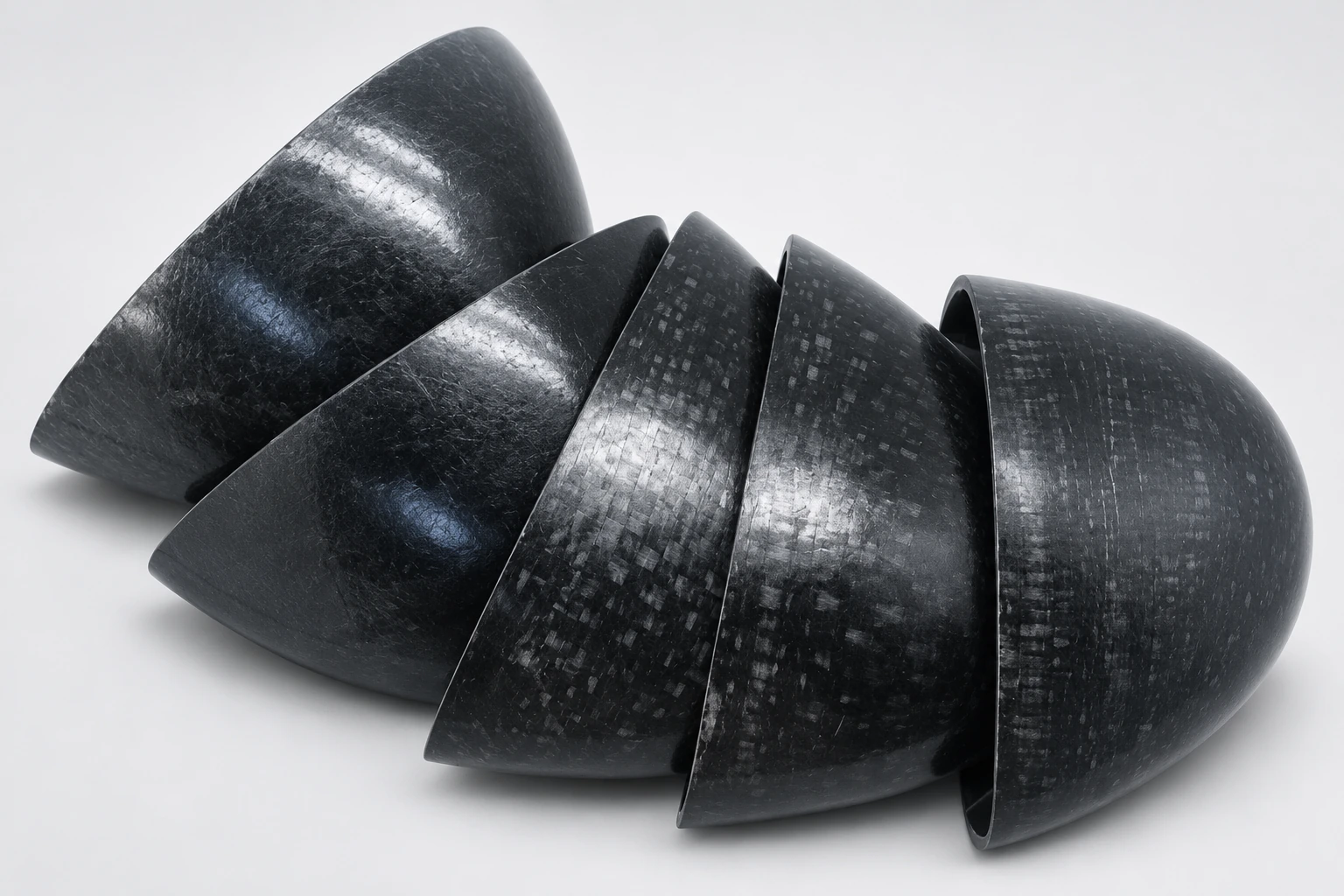
Composite safety-shoe toe cap
Material and shape examples for protective toe caps, including carbon-fiber composite structures.
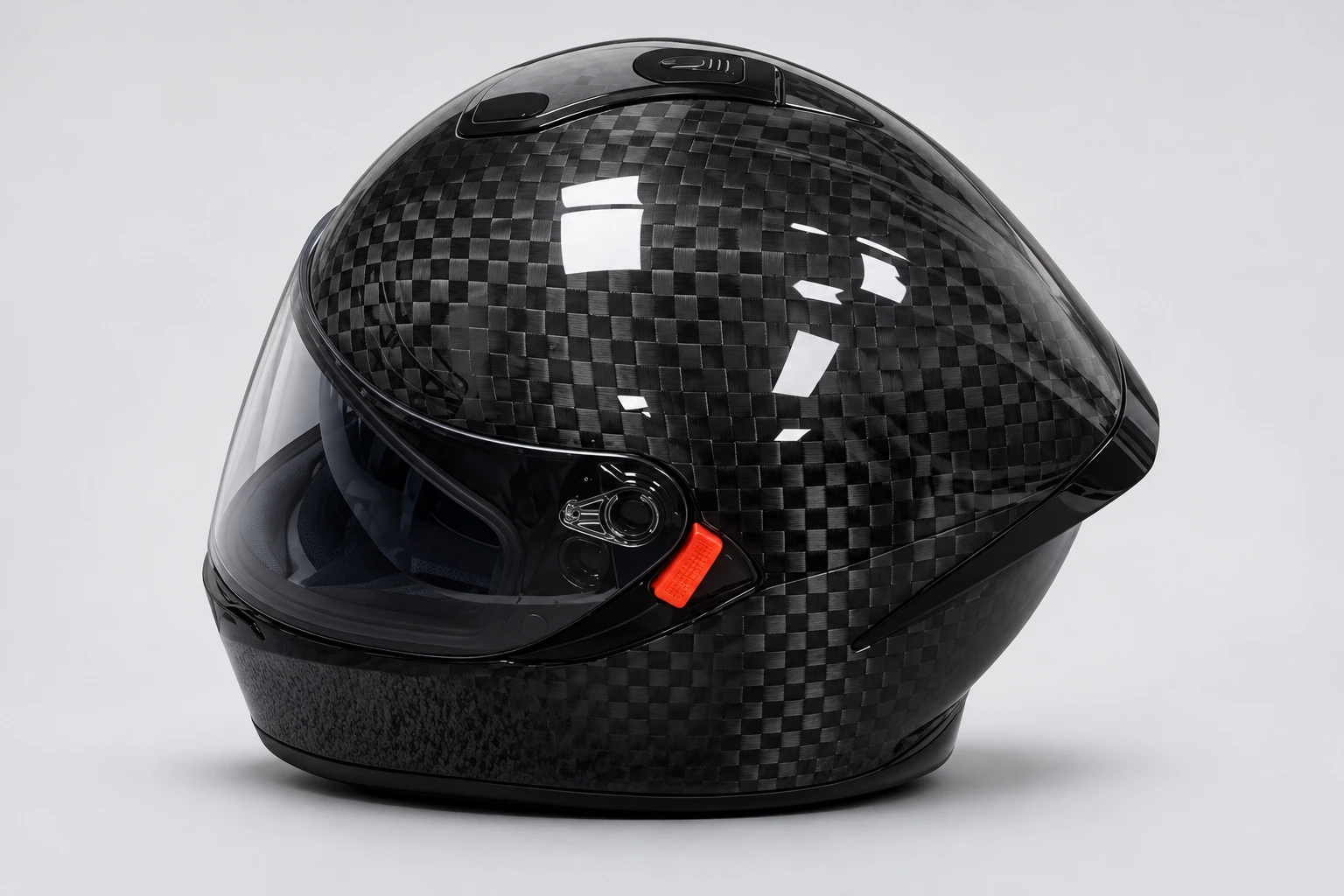
Carbon-fiber helmet shell
An example for lightweight molded helmet shells; finished protective performance requires separate validation.
- Assessment points
- Impact-management structure, fiber orientation and product standards
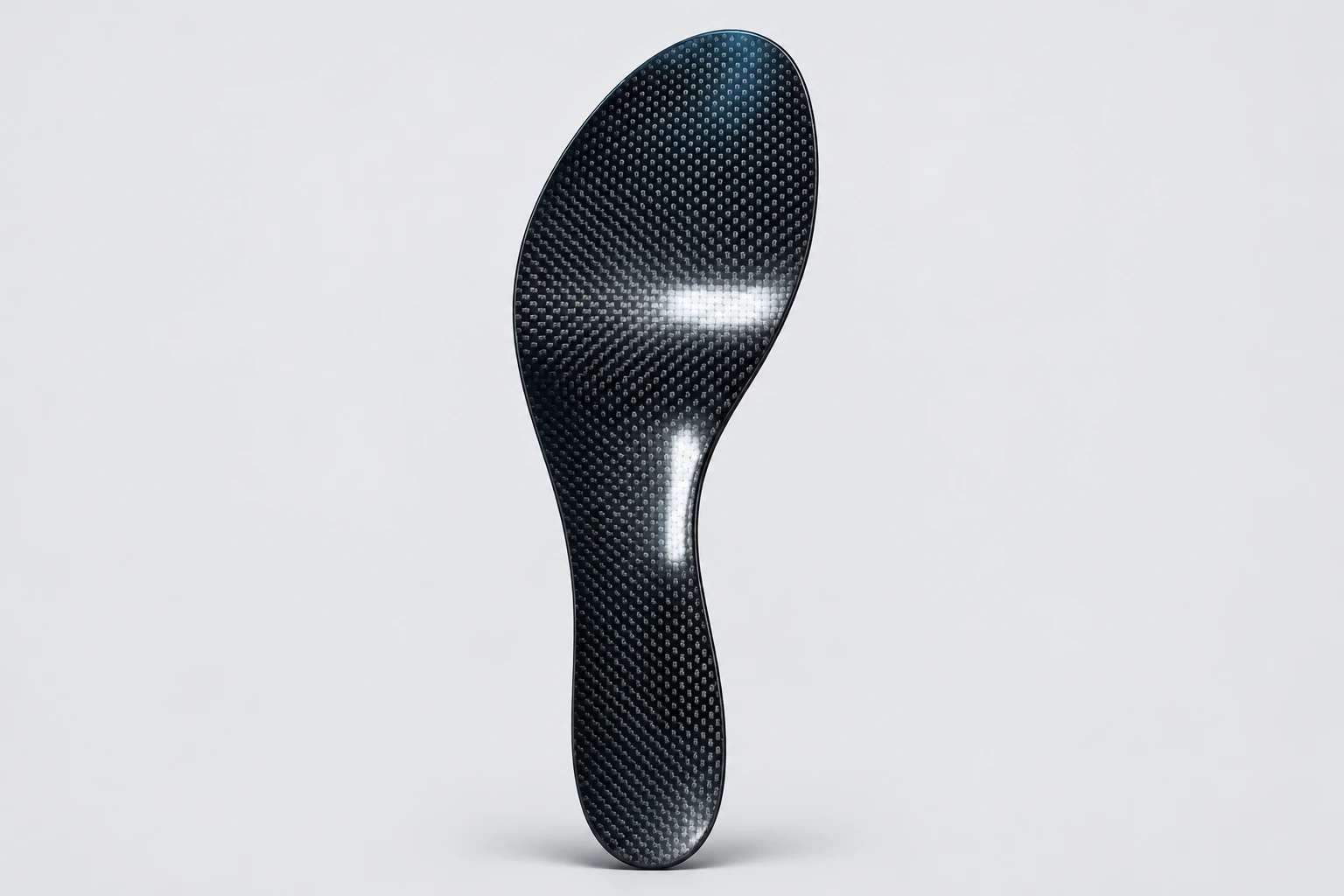
Carbon-fiber sole and plate
Thin composite soles and reinforcing plates, with bending behavior tuned through shape and layup.
- Assessment points
- Flexural stiffness, cyclic fatigue, bonding and use conditions

Drone body and lightweight frame
Examples for lightweight, stiff drone structures, with layup selected for operating conditions.
- Assessment points
- Mass, vibration, fatigue and connection strength
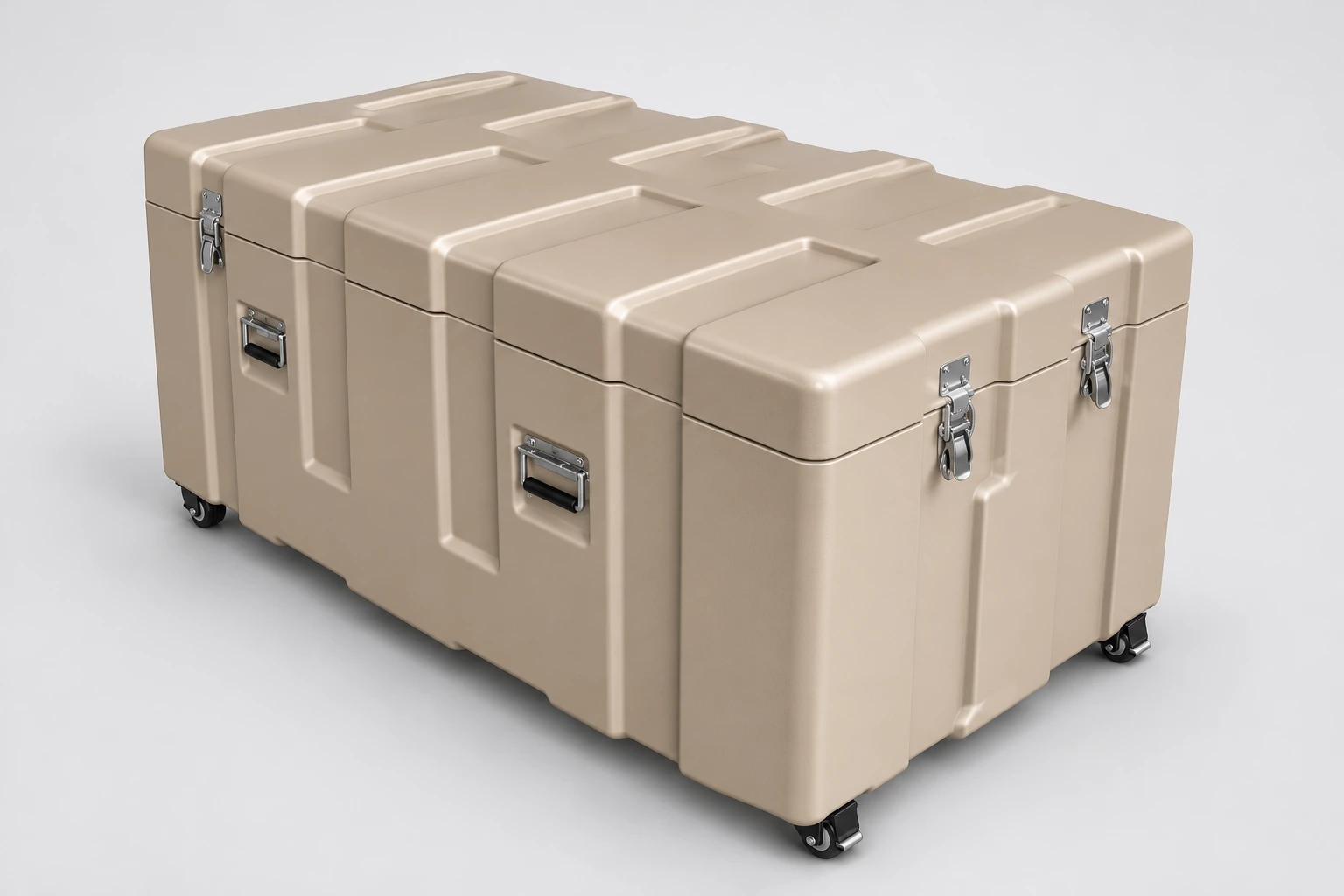
Storage and transport protective case
Enclosure examples for equipment transport and medical protective cases, designed with internal protection.
- Assessment points
- Drop impact, sealing and internal cushioning
Images are schematic diagrams of application fields and do not represent actual delivery cases.
Technical guides
What Is Prepreg? Resins, Carbon, Glass and Aramid Explained
Understand what prepreg is, how resin systems differ from reinforcement fibers, and what to check when selecting PU carbon fiber prepreg.
Epoxy vs PU Prepreg Resin: A Practical Material-Selection Guide
Compare epoxy and PU prepreg resin using grade-specific cure, mechanical, thermal, storage and production evidence rather than blanket claims.
Carbon Fiber Prepreg for Sale: A B2B Buyer’s Selection and Sampling Guide
Prepare a carbon fiber prepreg inquiry with resin, reinforcement, dimensions, validation, sampling and delivery information for an industrial quotation.
Buyer FAQ
Do you also supply epoxy carbon fiber prepreg?
This page covers a PU resin system. Availability of epoxy or other systems requires separate confirmation.
Product & development literature
Basis: current product technical literature. Supply follows the agreed grade and technical requirements.
See the relevant technical data for grade specifications and test conditions.