Compare SMC and prepreg options, then review molding conditions and component requirements.
Define supply specifications for PU prepreg, CSFCM and SMC, then review trial molding, component validation and delivery against drawings and service conditions.
01
Four material families for component development
Choose by resin, reinforcement and supply form. Confirm width, thickness, areal weight, tolerances, packaging and storage for the selected grade.
Material appearance illustration · confirm actual grade specifications
01
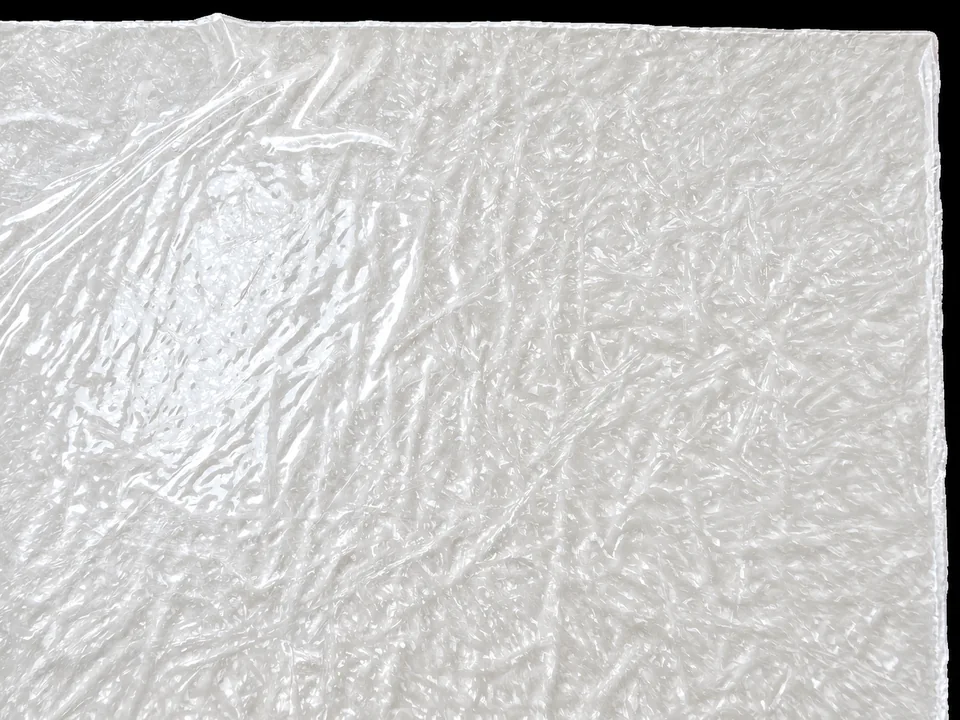
SMC
A sheet molding compound combining unsaturated polyester resin, chopped glass fiber, fillers and additives. Cut charges are heated and pressed in a mold; flow and surface depend on formulation and charge placement.
Supply: sheet specification, formulation and packaging
Process: maturation, storage, charge weight and mold filling
Component: geometry and surface requirements for panels and covers
Material appearance illustration · confirm actual grade specifications
02
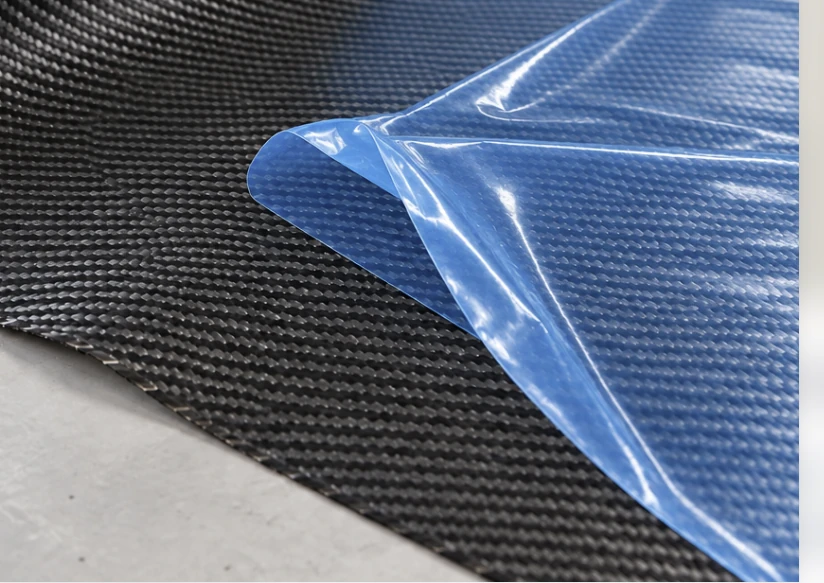
Polyurethane prepreg · carbon fiber
A pre-molding material with carbon fiber pre-impregnated with PU resin. Review reinforcement direction, laminate and processing against component geometry, load direction and stiffness requirements.
Supply: grade-specific sheet/roll form and resin content
Structure: availability of fabric, UD or chopped-fiber forms
Component: fiber direction, laminate, corners and joints
Material appearance illustration · confirm actual grade specifications
03
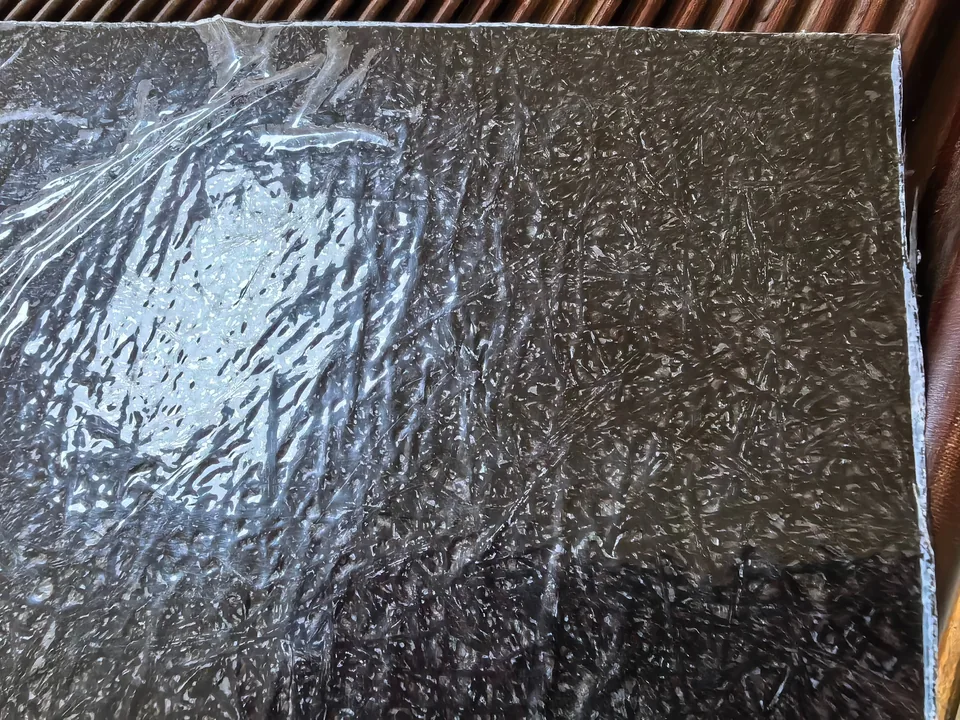
Polyurethane composite prepreg
A sheet prepreg combining polyurethane resin with woven and chopped glass-fiber reinforcement. Review cutting and stacking the sheet followed by heated compression molding in a tool.
Supply: sheet or roll form, width, thickness and areal weight
Structure: woven/chopped glass fiber and number of plies
Component: dimensions, surface, structure and environment
Material illustration · confirm actual grade specifications
04
PUSMC
A polyurethane-resin SMC family, reviewed separately from CSFCM and SMC. Confirm formulation, reinforcement and supply form. Detailed grade specifications and test values require separate supporting documents.
Grade: resin, reinforcement and filler composition
Specification: dimensions, storage and molding recommendations
Sample data applies to its stated grade and test conditions. Do not substitute CSFCM, PU carbon prepreg, SMC or PUSMC data for one another.
02
Choose material supply, molding support or a parts project
Agree the scope from raw materials for your own molding line to trial molding and component manufacturing review.
01
Material supply
For customers operating their own molding equipment
Select the grade and supply specification, then confirm samples, packaging, production lots and delivery terms. Review handling and recommended molding conditions using the selected material documentation.
02
Trial molding & process support
For matching materials with molds and equipment
Review cutting, stacking, charge placement, heating, pressure and demolding against drawings, tool design, press capacity and volumes. Evaluate trial-part dimensions, surface and required properties before discussing process adjustments.
03
Molded parts & finished-component supply review
For customers discussing materials and component production together
Define tooling, molding, trimming, hole machining, inspection and packaging from drawings and service conditions. Confirm in-house versus partner operations, tool ownership, costs and lead times for each project.
03
Six stages from inquiry to supply
Align the information needed and the review outcomes at each stage.
01
Requirements & drawing review
Information to provide
Drawings or samples, application, volume and destination country
Items to review
Loads, temperature, moisture, chemicals, appearance and target dates
02
Material & supply specification
Information to provide
Strength, stiffness, flame, electrical or other requirements
Items to review
Resin, fiber, laminate, dimensions, tolerances and supporting test data
03
Equipment, tooling & process review
Information to provide
Available press and tooling, geometry and production plan
Items to review
Cutting, layup, charge position, mold temperature, pressure, cure and demolding
04
Samples & trial molding
Information to provide
Trial purpose, sample quantity and evaluation methods
Items to review
Appearance, thickness, dimensions and molding condition of samples or parts
05
Component evaluation & specification agreement
Information to provide
Acceptance criteria, operating environment and required tests
Items to review
Performance tests, dimensional tolerances, inspection criteria and revisions
06
Quotation, production & delivery agreement
Information to provide
Order volume, packaging, shipping terms and preferred dates
Items to review
MOQ, price, tooling costs, lead time and inspection-document scope
Tooling, testing, finishing and report availability and costs are agreed after review. Confirm supply conditions after trial molding and component validation.
04
Industries we review
Connect material selection, trial molding and component validation with industry requirements.